Fuerteventura cuisine: specialities and the best places to eat
Fuerteventura's cuisine blends produce from land and sea, inherited from Canarian traditions. Goat's cheese, fresh fish, toasted cereal flour and punchy sauces make up a simple but generous cooking, to discover between two days on the beach.
The essentials at a glance
- Majorero cheese (PDO): the island's benchmark cheese.
- Gofio: toasted cereal flour, an ancestral staple food.
- Vieja: parrotfish, often served baked with mojo.
- Mojo and papas arrugadas: the essential duo, see our dedicated recipes.
The must-try specialities of Fuerteventura
You can't sum up Fuerteventura's food without its flagship products. Majorero cheese, made from goat's milk, is among the most highly rated in the Canaries, to the point of winning awards at several international competitions.
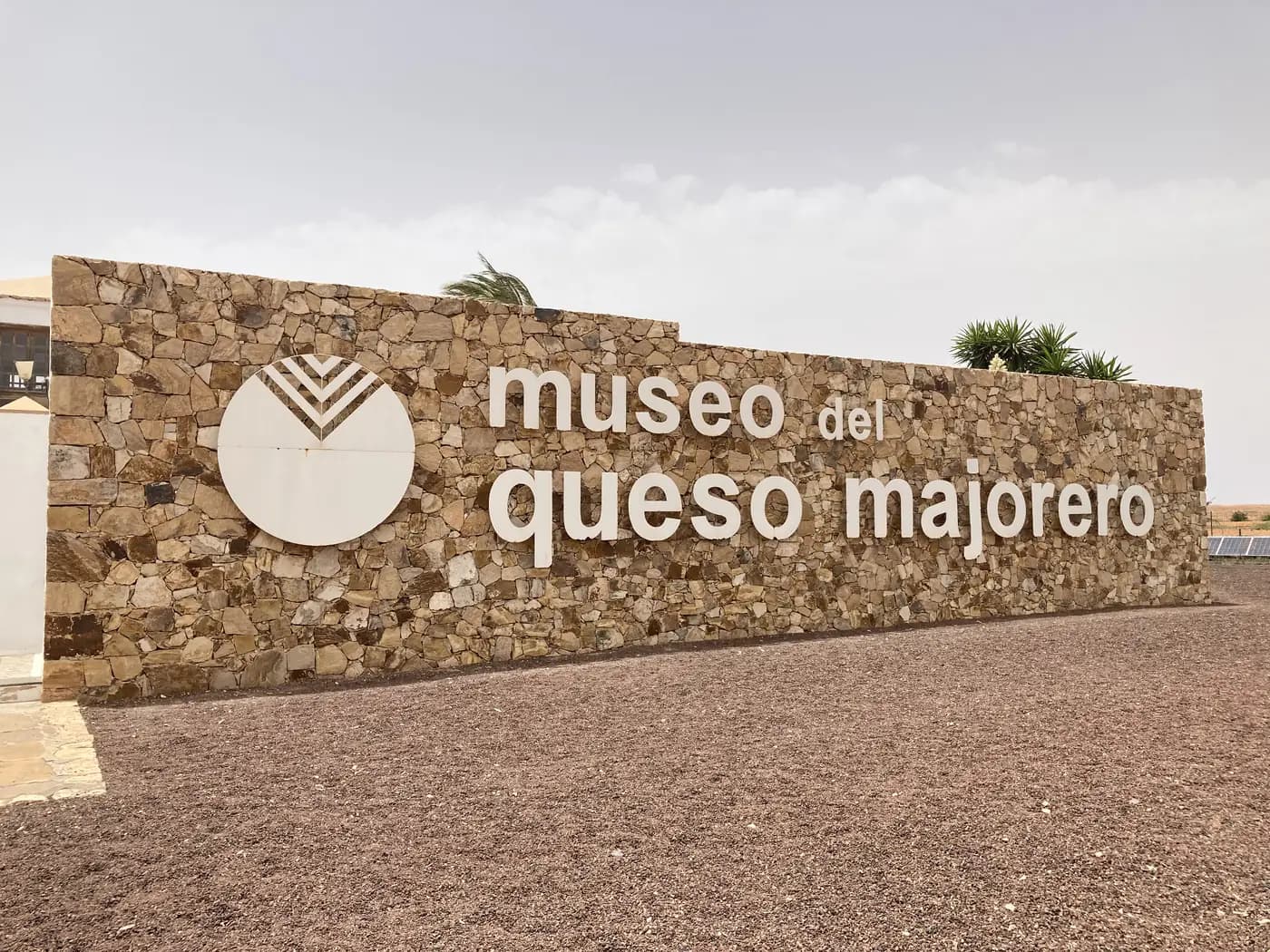
The Museo del Queso Majorero, in Antigua, tells the story of this PDO cheese and ends with a tasting.
Mojo and papas arrugadas: the recipes to know
No typical meal is complete without this duo. Papas arrugadas, small potatoes boiled in heavily salted water then dried so their skin wrinkles, are always served with the two mojos: mojo verde, fresh and herby, and mojo rojo (or picón, spicier), made from roasted peppers.
Where to eat well in Fuerteventura?
Where to eat mostly depends on the area. To eat well on the coast, aim for a place that works with the day's fresh fish, especially in fishing villages like El Cotillo.
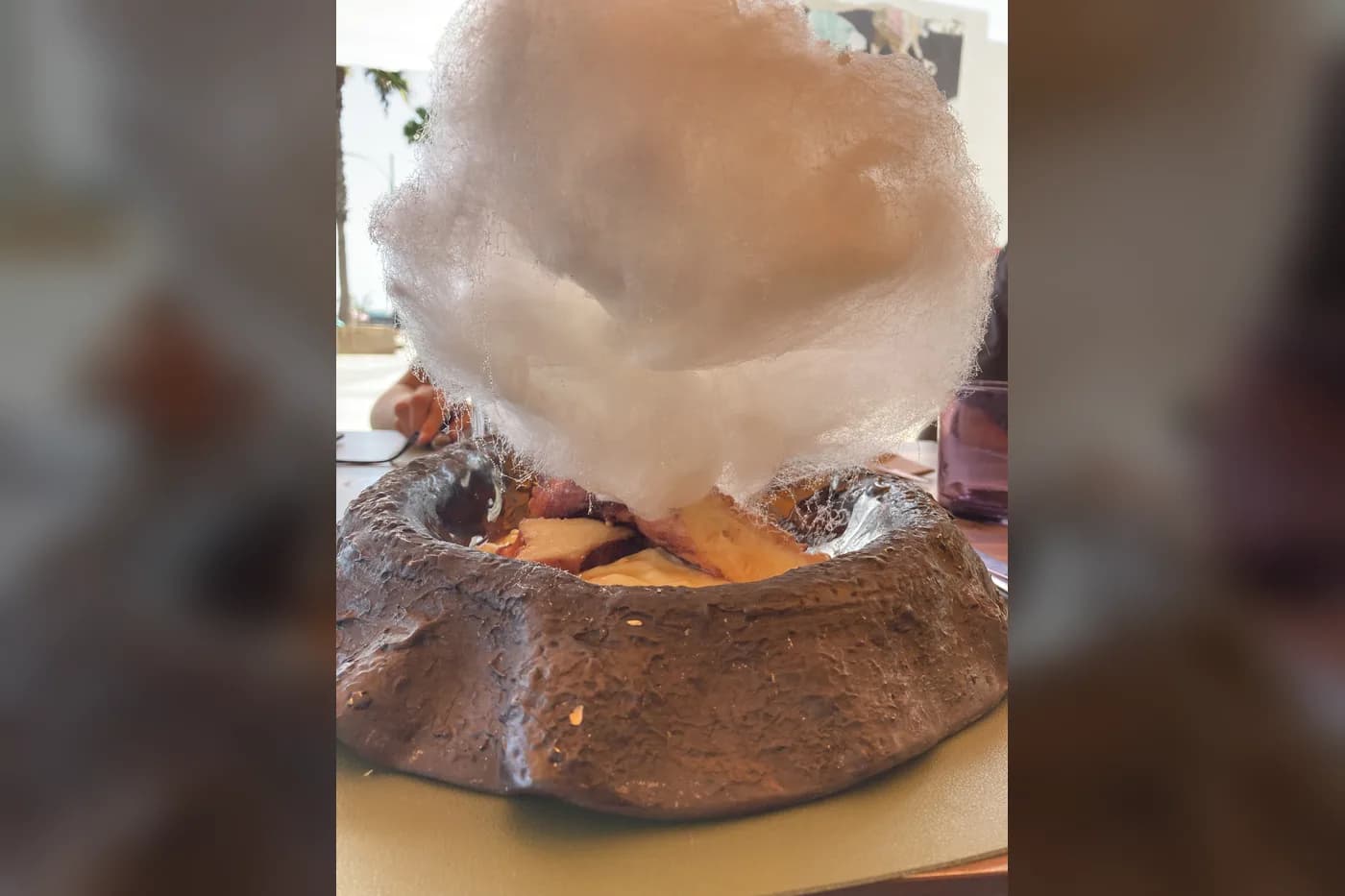
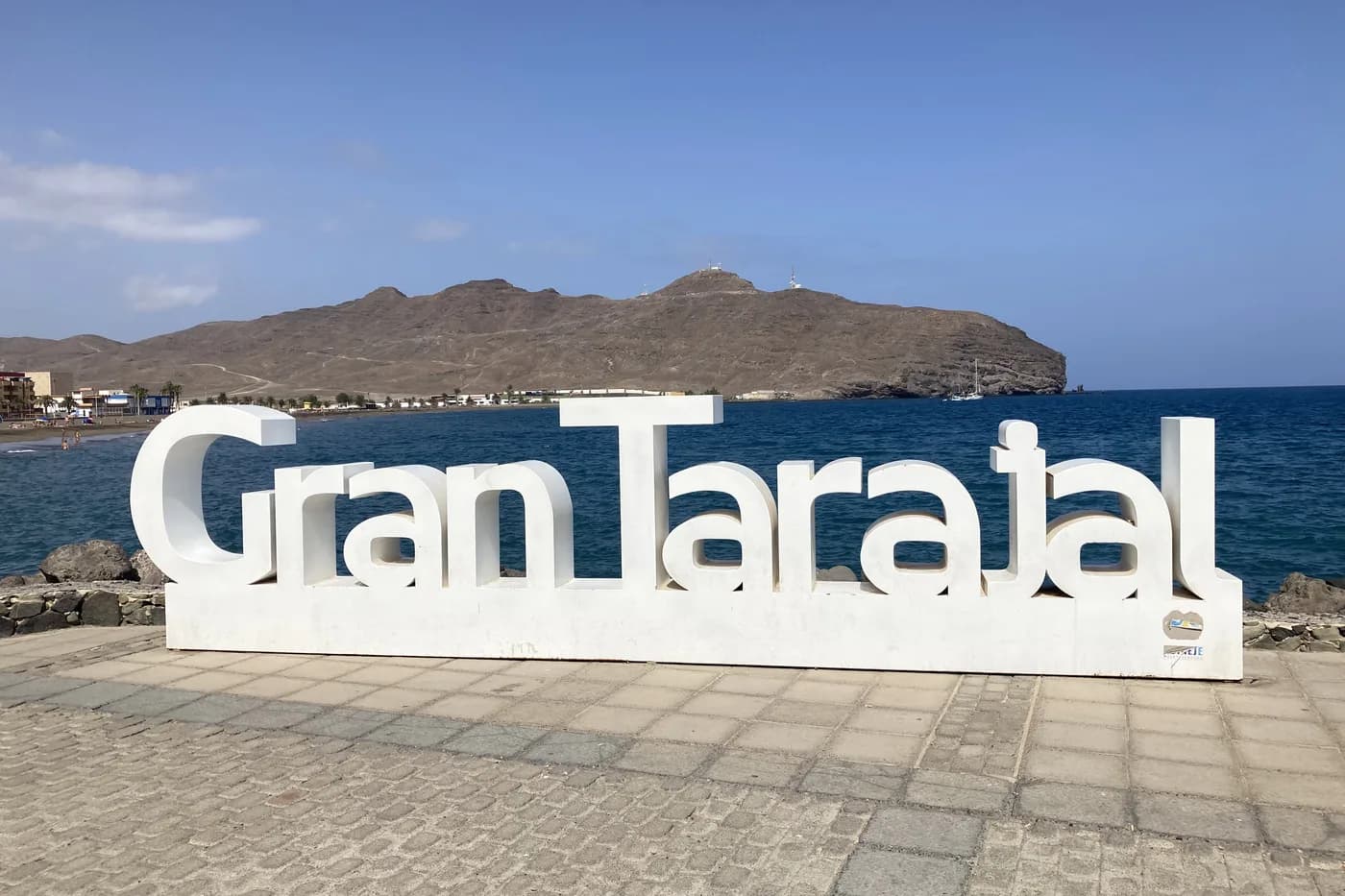
In El Gran Tarajal, on the east coast and well off the tourist trail, Mama Gastro Adventure served us a theatrical Meteorito de Pulpo, smoking under a cloud of candy floss — enough to win the kids over before the first bite.
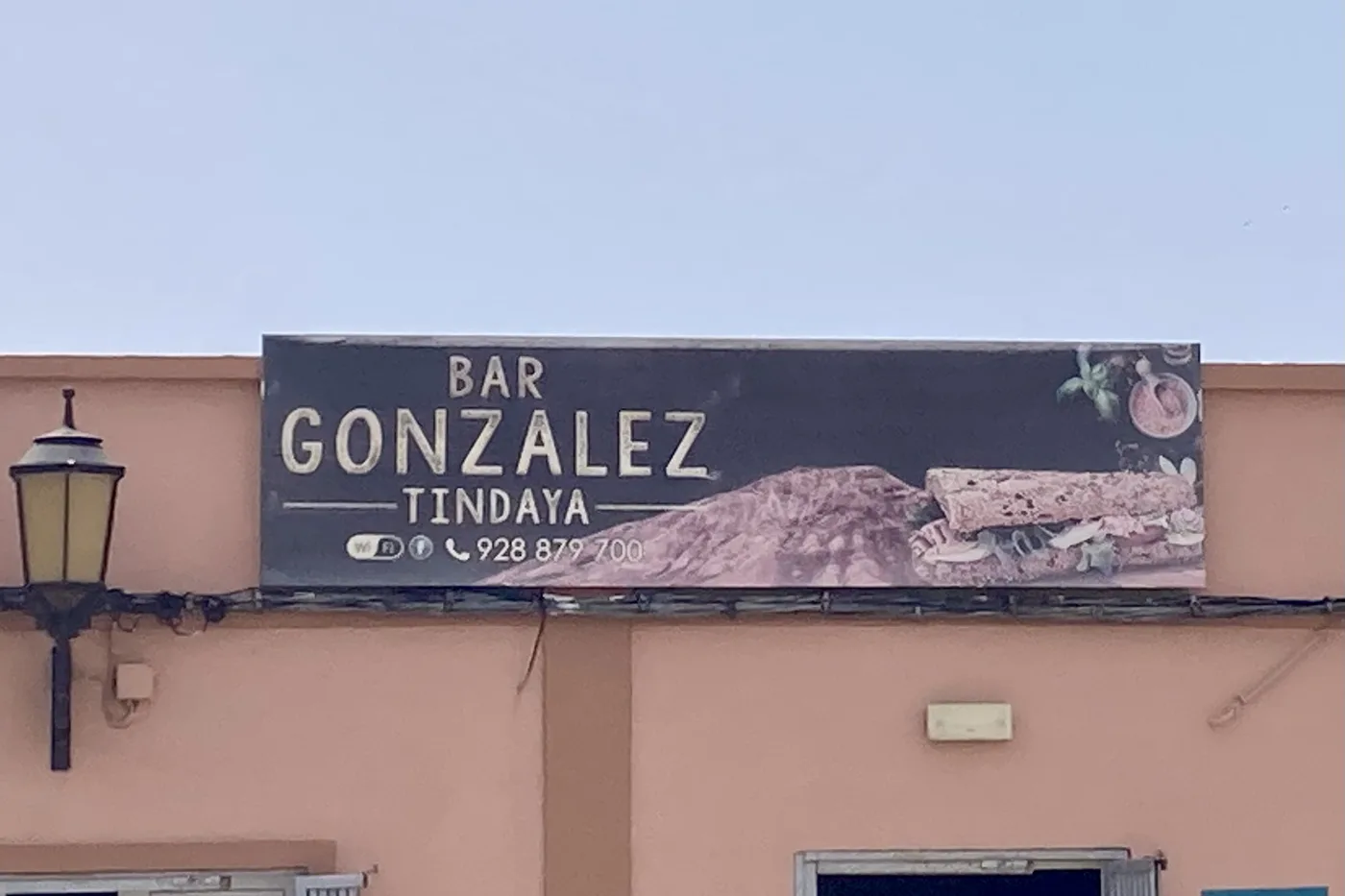
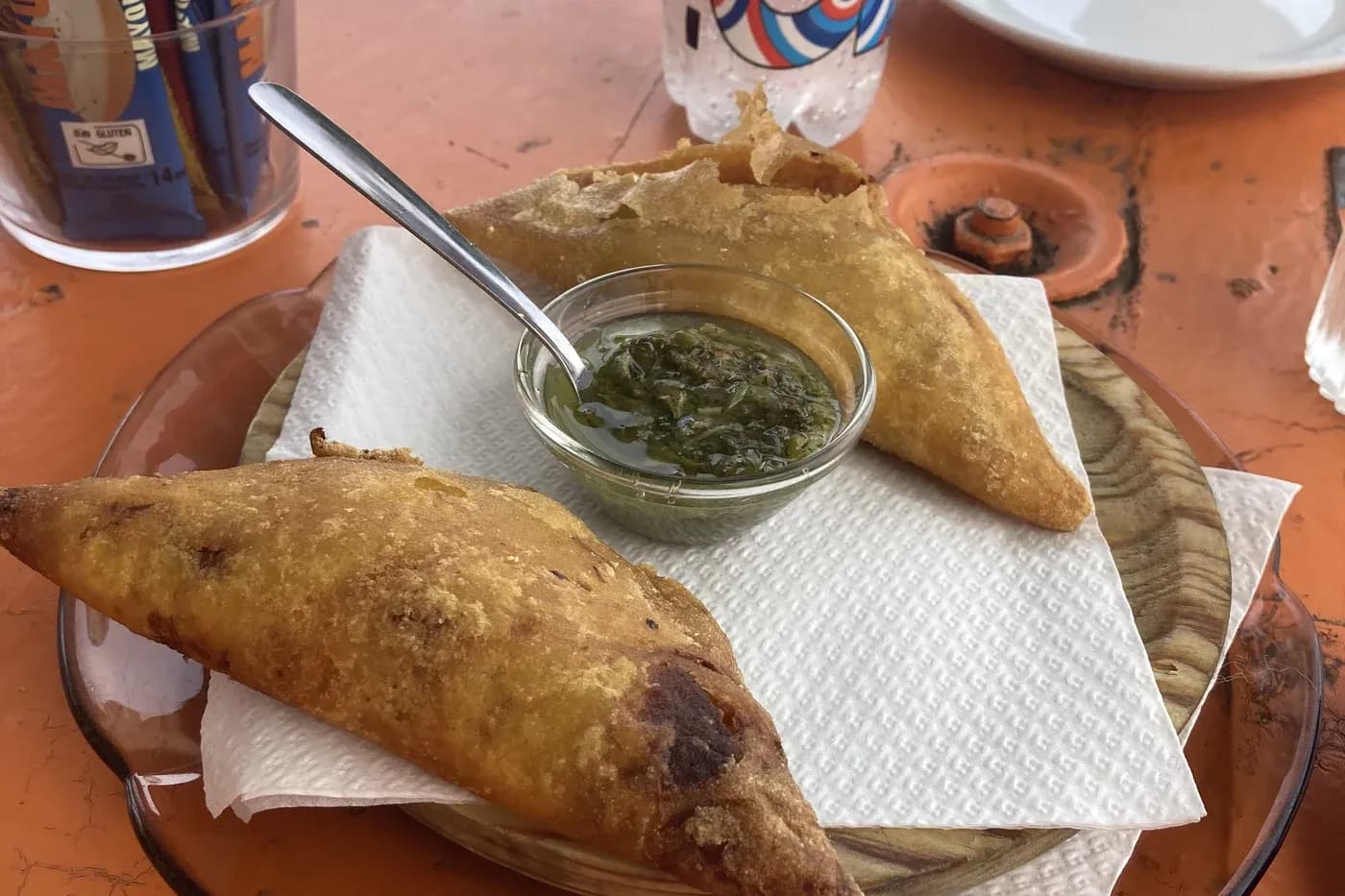
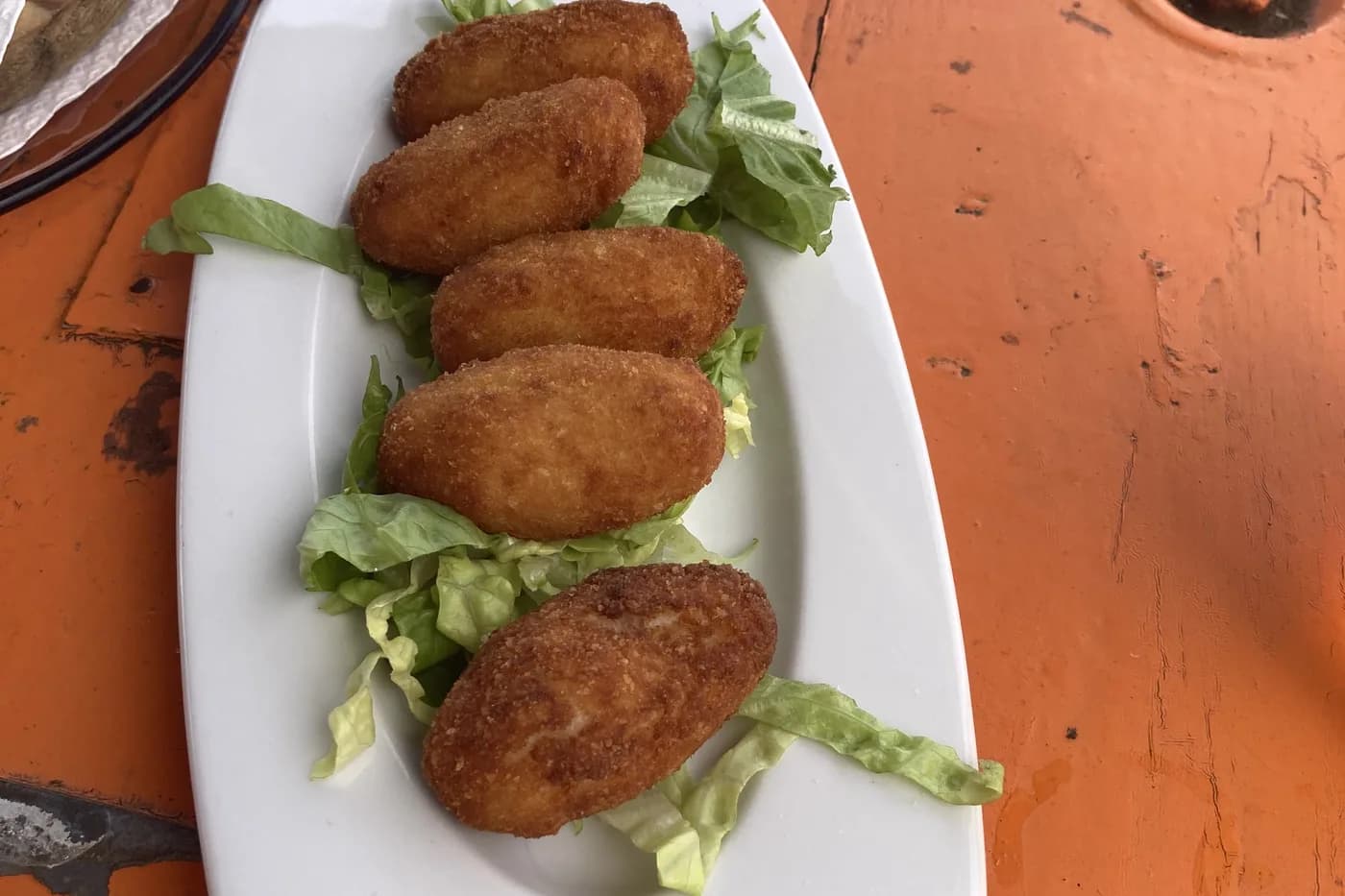
In Tindaya, inland, Bar Gonzalez is a simple, unpretentious spot we went back to twice, the tapas were so generous, far from the coastal tourist traps.
Fuerteventura's food scene took a real step up in July 2026, when a restaurant in Costa Calma put the island back into the Michelin Guide after roughly a decade with no listed address: El Pellizco, Cuban-Canarian fusion cooking from chef-owner Rigoberto Almeida, opened in December 2023 and picked in July 2026 for the Guide's new-additions selection — the first Fuerteventura address to appear in the guide in a decade. We haven't had the chance to try it yet, but it's firmly on our list for our next stay.
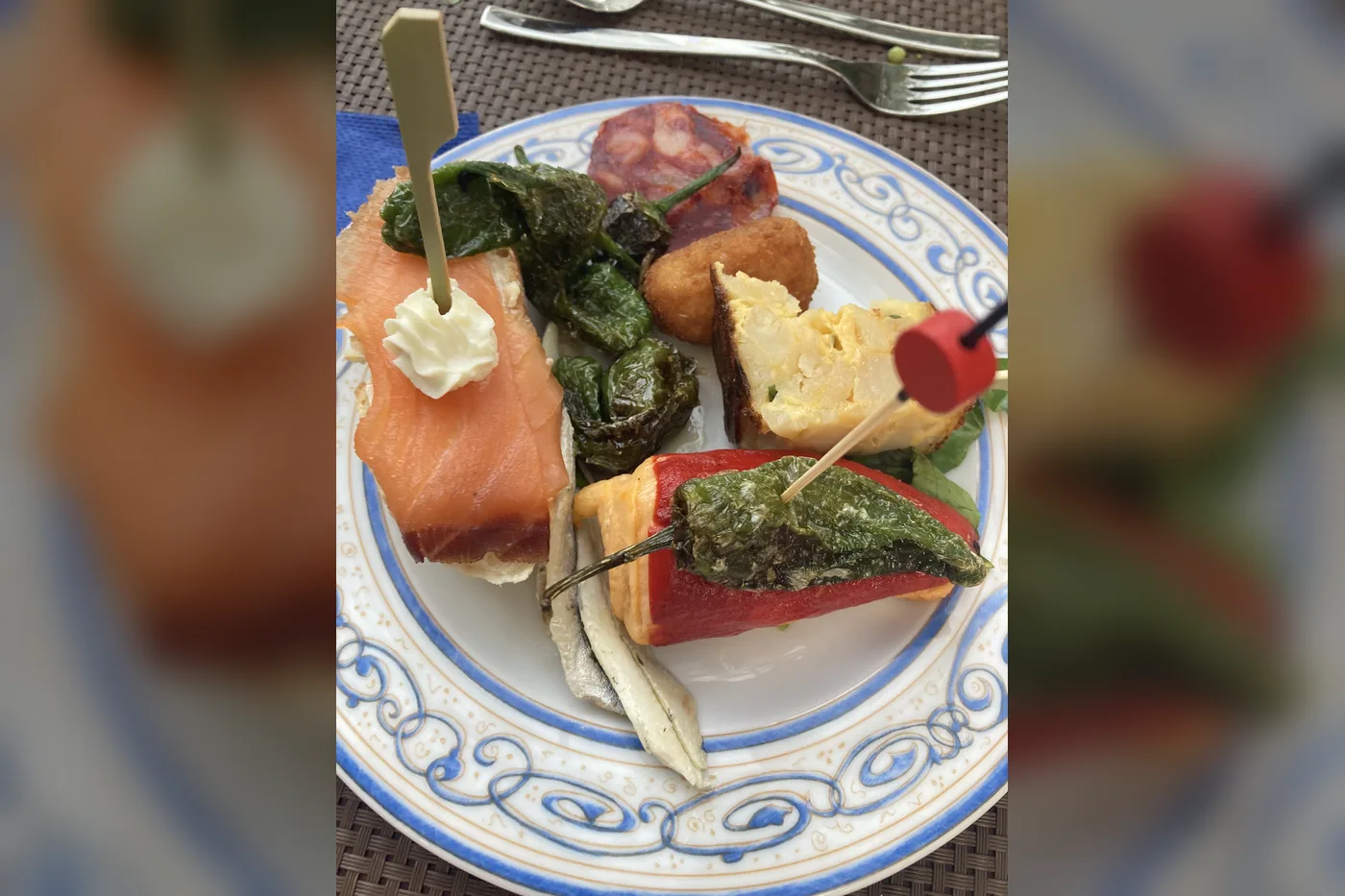
Where do tapas come from? A little Spanish history (and legend)
There's no single official inventor of tapas — they grew out of a popular, cultural evolution in Spain rather than one person's idea. That hasn't stopped Spanish history and folklore from producing several entertaining legends about their origin.
The word itself, a 'lid': tapa comes from the Spanish verb tapar, meaning 'to cover'. It didn't start as a cooked dish at all — just a small plate, or a slice of bread and cured meat, laid over a glass of wine in taverns to keep the flies and dust out.
The famous royal legends: several historical figures are often linked to the birth of this tradition.
Rather than the invention of a great chef, tapas grew out of a practical, social need in the bars and taverns of Andalusia, before becoming a way of life across Spain — all the way to the Canary Islands.
And for teens who aren't sold on local food?
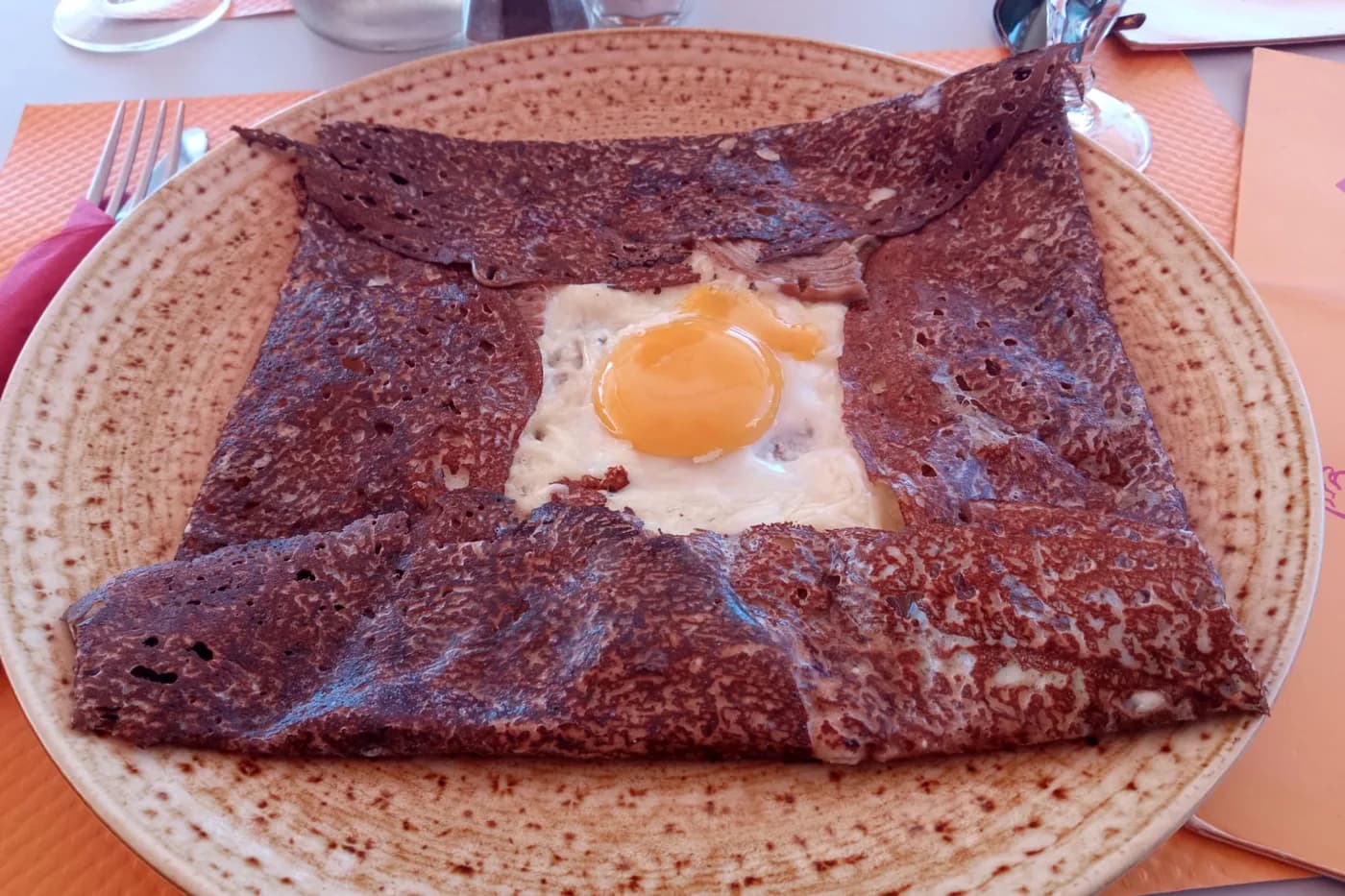
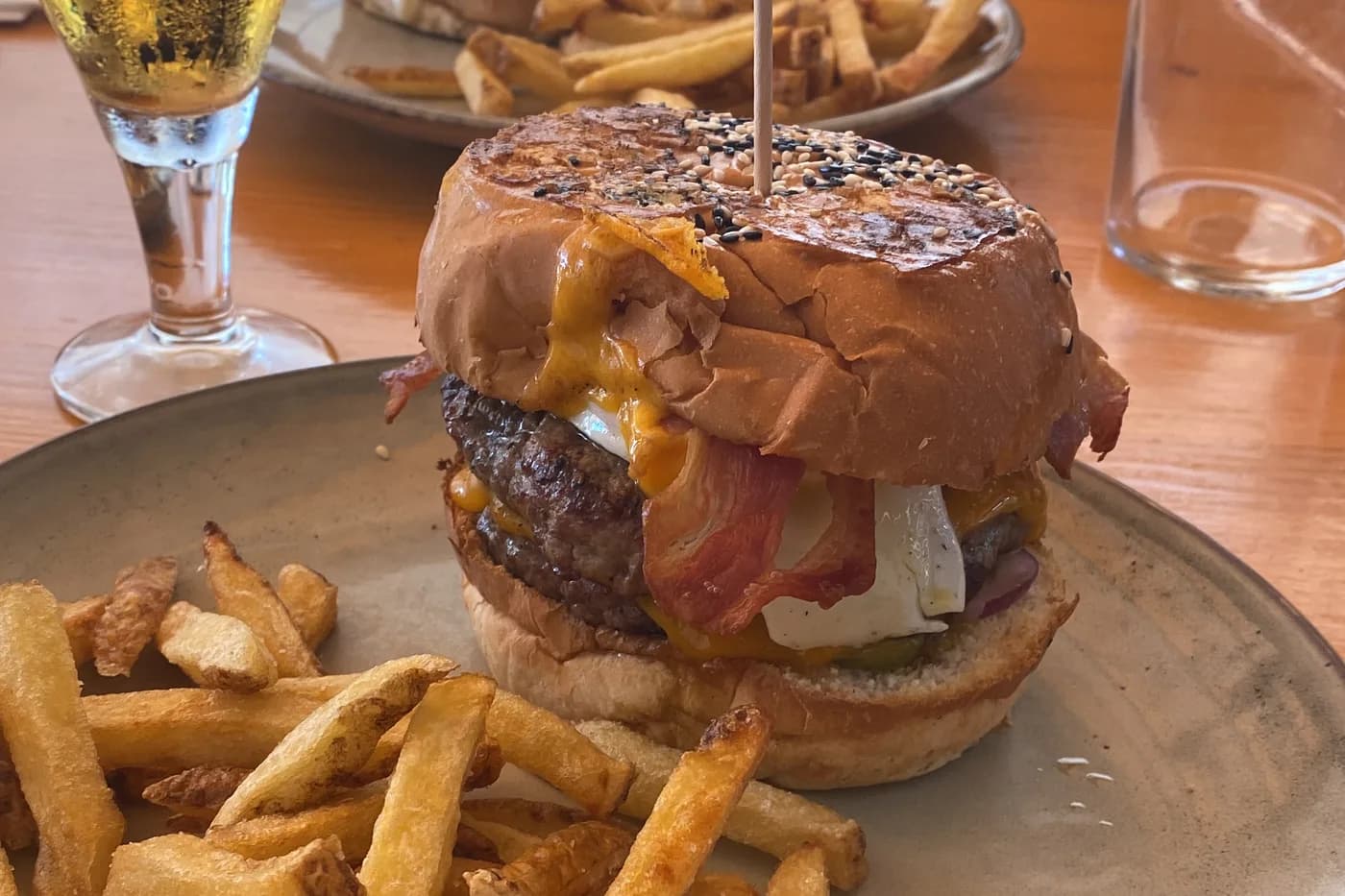
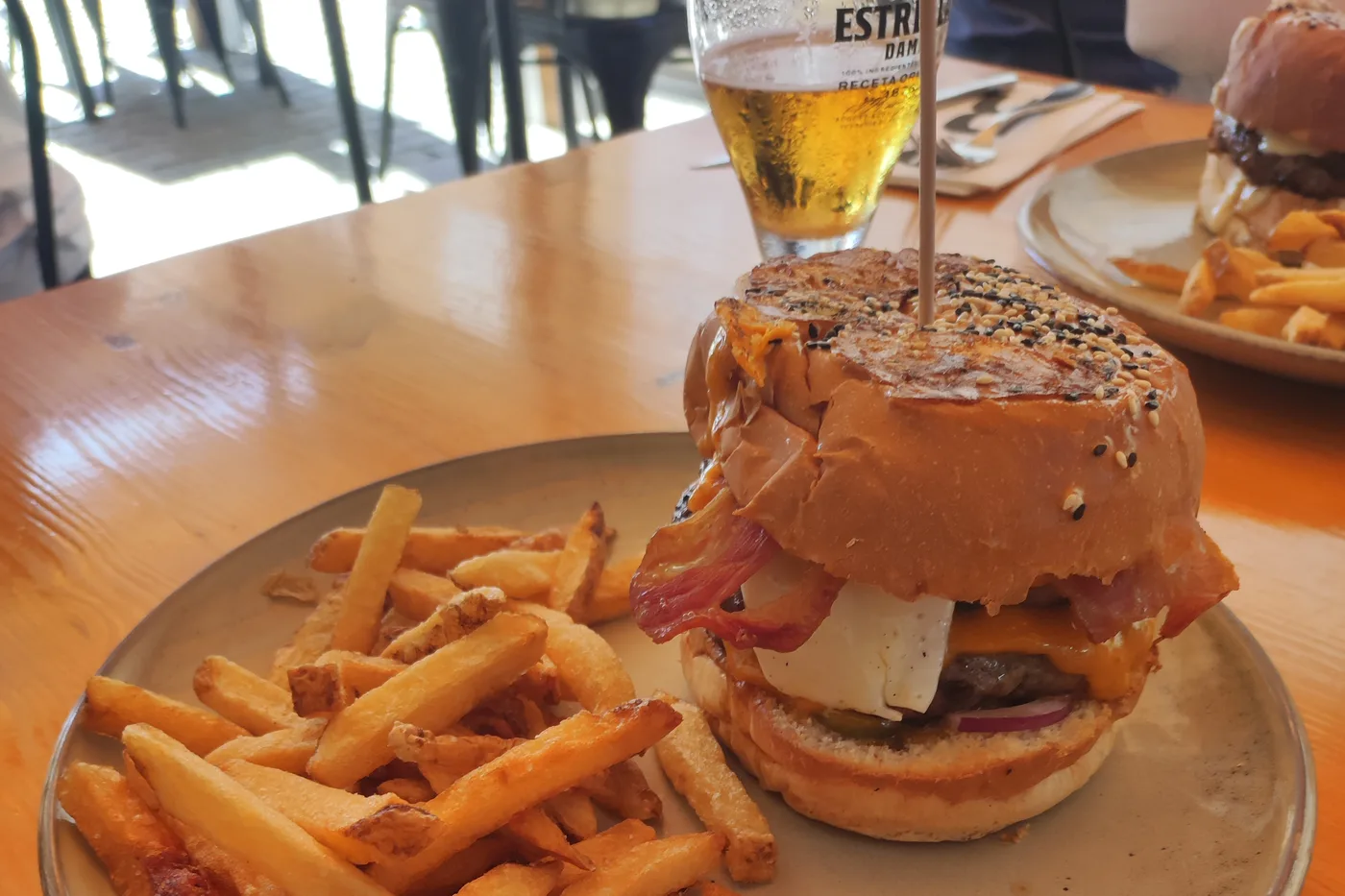
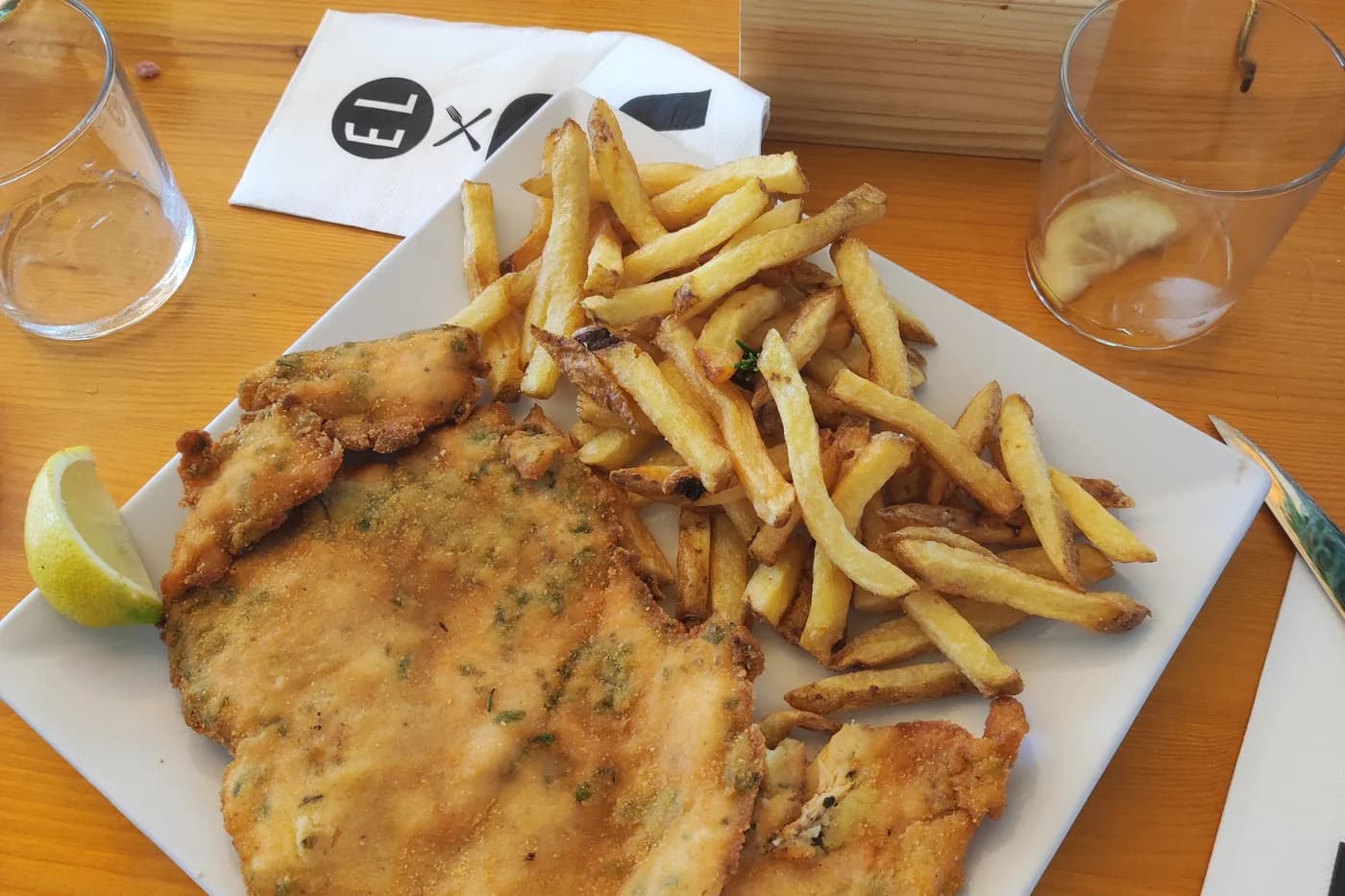
Not every child (or adult) is thrilled at the idea of grilled fish and mojo every single night. Plenty of restaurants in the tourist areas — Corralejo, Costa Calma or Caleta de Fuste — also serve a more classic, family-friendly menu: homemade burgers, breaded escalopes or savoury galettes, to cure a bout of food-exoticism fatigue without leaving the table.
Frequently asked questions
What is Fuerteventura's signature dish?
Majorero cheese (PDO, goat's milk) and vieja fish are among the most emblematic specialities, along with mojo and papas arrugadas.
What is gofio?
A toasted cereal flour (wheat, maize, sometimes barley), a staple food inherited from the first inhabitants of the Canaries.
Where can you eat well in Fuerteventura?
It depends mostly on the area: Bar Gonzalez in Tindaya for generous tapas away from the coast, Mama Gastro Adventure in El Gran Tarajal for its theatrical Meteorito de Pulpo, or El Pellizco in Costa Calma, the island's only Michelin Guide address since July 2026.
How do you make Canarian mojo?
See our dedicated recipe: mojo verde (fresh herbs) and mojo rojo/picón (roasted peppers and chilli).
How do you make papas arrugadas?
See our dedicated recipe: small potatoes boiled in heavily salted water, then dried uncovered so the skin wrinkles.
Is majorero cheese sold outside the island?
It is increasingly exported, but remains easier to find and enjoy fresh directly in Fuerteventura.
Does Fuerteventura have a Michelin Guide restaurant?
Yes, since July 2026: El Pellizco, in Costa Calma, was chosen for the Michelin Guide's new-additions selection, which brings Fuerteventura back into the guide after a decade with no listed address on the island. Opened in December 2023 by chef-owner Rigoberto Almeida, it serves Cuban-Canarian fusion cooking and had already been recognised by the Repsol Guide.