The Tenerife Wine Route: Appellations and Wineries
On its volcanic slopes, Tenerife makes singular wines, long famous as 'Canary wines'. Following the Tenerife wine route means touring five denominations of origin and tasting rare grapes like Listán or Malvasía. We haven't toured it ourselves yet; this guide gathers the essentials, verified and up to date, and complements our page on souvenirs from Tenerife.
The essentials at a glance
- Five appellations (DO): Tacoronte-Acentejo, Valle de la Orotava, Ycoden-Daute-Isora, Abona, Valle de Güímar.
- Grapes: Listán Negro and Blanco, Negramoll, Malvasía, Moscatel — on volcanic soil.
- To visit: the Casa del Vino in El Sauzal (museum and tasting), and wineries such as Monje or Tajinaste.
- Spectacular vines: the cordón trenzado (braided cordon) of the Valle de la Orotava.
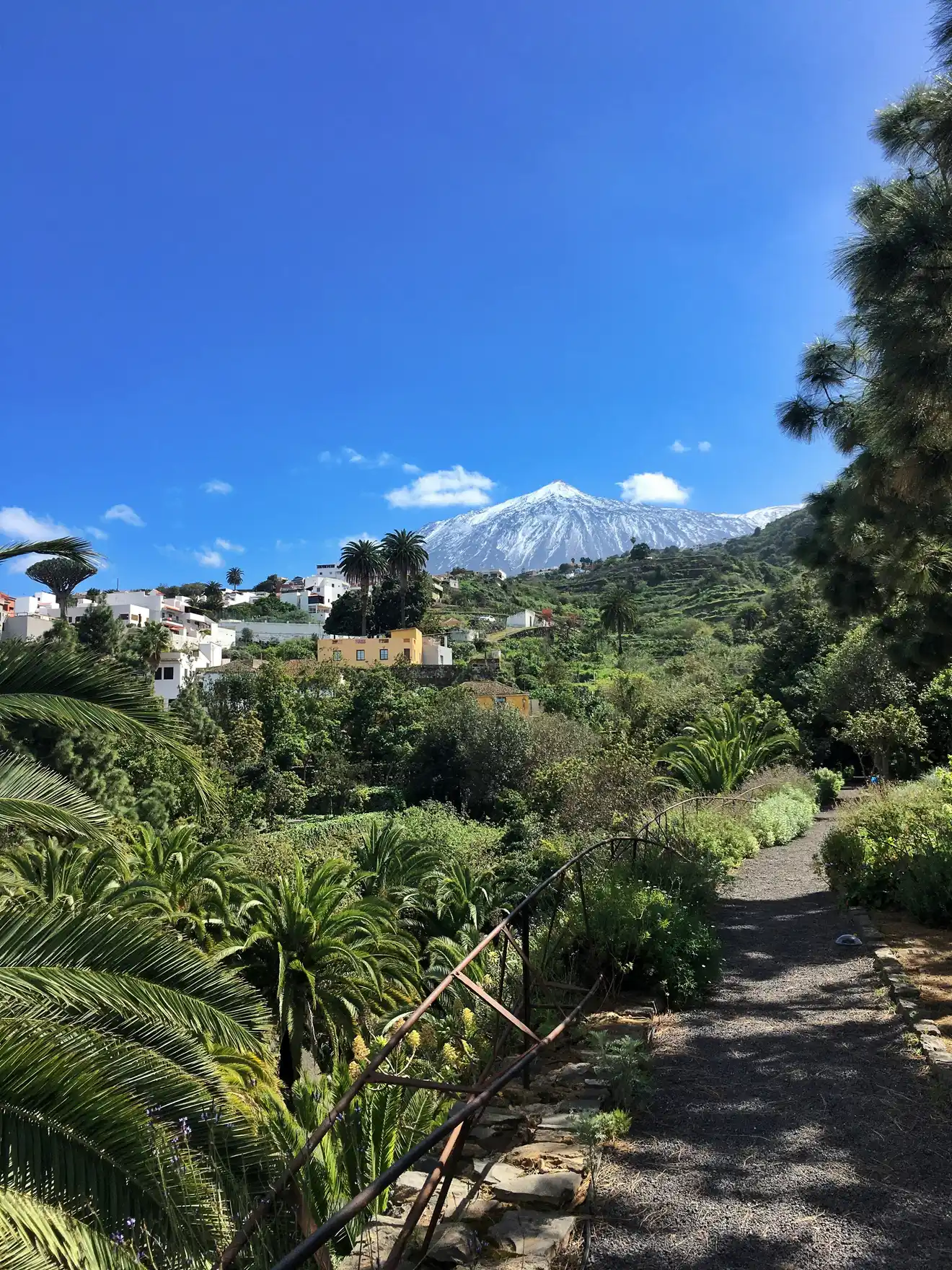
Our approach: verified research, not first-hand experience (yet)
- We haven't visited these wineries yet. This guide is based on verified wine sources; opening hours and tours should be confirmed with the estates.
- We'll enrich it with our own on-the-ground experience after our next visit. Until then, the details are indicative: check them before you go.
Tenerife wine: five appellations
Tenerife wine falls into five denominations of origin (DO) spread across the island. Tacoronte-Acentejo, in the north, is the largest and biggest exporter, with over forty wineries and its Listán Negro reds. The Valle de la Orotava charms with boutique estates and its cordón trenzado vines, a spectacular braiding.
Ycoden-Daute-Isora keeps up the tradition of golden Malvasía, the famous 'Canary wines'. Abona farms some of Europe's highest vineyards, on the slopes of Teide, while the drier Valle de Güímar, in the south-east, yields crisp, clean whites.
Grapes and volcanic wines
The wines' character comes from volcanic soil and local grapes. The reds are mostly from Listán Negro and Negramoll; the whites from Listán Blanco, Malvasía, Moscatel and Verdello.
Visiting a winery and the Casa del Vino
To taste and understand, several wineries open their doors. The Casa del Vino, set in a former mansion in El Sauzal, combines museum, shop and tasting, and makes a fine introduction. Estates such as Monje (El Sauzal) or Tajinaste (La Orotava) offer tours and tastings by appointment.
Book ahead and arrange car hire in Tenerife to reach the estates, often perched on the heights — with a driver who doesn't taste.
Combining wine and the green north
The wine route pairs ideally with the green north: the wine areas sit beside the guachinches and the La Orotava valley. See our page on Tenerife food to extend the experience at the table.
To plan the rest of your stay, head to our Canary Islands guide.
Frequently asked questions
How many wine appellations does Tenerife have?
Five DO: Tacoronte-Acentejo, Valle de la Orotava, Ycoden-Daute-Isora, Abona and Valle de Güímar, on volcanic soils and sometimes at altitude.
Which grapes grow in Tenerife?
Mainly Listán Negro and Negramoll for reds, and Listán Blanco, Malvasía and Moscatel for whites — grapes typical of the island.
Where to taste wine in Tenerife?
At the Casa del Vino in El Sauzal (museum and tasting) and at wineries like Monje or Tajinaste, which offer tours and tastings by appointment.
What is the cordón trenzado?
A vine-training technique unique to the Valle de la Orotava, where the shoots are braided into long, spectacular cordons found nowhere else in the world.
Do you need a car for the wine route?
Yes, the wineries are often perched on the northern heights. Arrange car hire with a driver who doesn't taste, or an organised tour.