Hiking in Tenerife: The Island's Finest Trails
By Jérôme R · Not visited yet: research-based guide · Updated · How we work
Few islands offer hikers such varied terrain: hiking in Tenerife leads from the volcanic summit of Teide, Spain's highest, to the laurel forests of Anaga, by way of the dizzying Masca gorge. High-altitude paths, ravines and ancient laurisilva create radically different settings on a single island. We haven't hiked here ourselves yet; this guide gathers verified, up-to-date information to help you choose your routes by level, season and the permits to book.
The essentials at a glance
- Three great terrains: Teide (high-altitude volcanic), the Masca gorge (barranco), Anaga (laurel forest).
- Permits to book: the Teide peak (Telesforo Bravo and Montaña Blanca trails) and the Masca gorge descent.
- Best seasons: spring and autumn; in summer, avoid the heat at low altitude, but Teide stays cool.
- Kit: hiking boots, a windproof, water and sun protection; weather varies hugely with altitude.
Our approach: verified research, not first-hand experience (yet)
- We haven't hiked in Tenerife ourselves yet. This guide is built from thorough research — official national-park sources and up-to-date data — to help you plan your walks transparently.
- We'll enrich it with our own on-the-ground experience after our next visit. Until then, routes, times and rules are indicative: check trail status and permits before you set off.
Hiking in Tenerife in 2026: permits, fees and new rules
In short: most trails in Tenerife are still free to walk, but Teide National Park is regulating more and more of its routes. Since 19 January 2026, visitors have paid an access fee on the two summit trails, and on 14 October 2026 the Cabildo de Tenerife announced compulsory booking for three more trails in the park. Here are the rules as checked in October 2026.
Sources: Cabildo de Tenerife (19 January 2026), Diario de Avisos (14 October 2026) and elDiario.es (Masca rates, 12 July 2024). These rules change often, so check them on Tenerife ON before you go.
Where to hike in Tenerife?
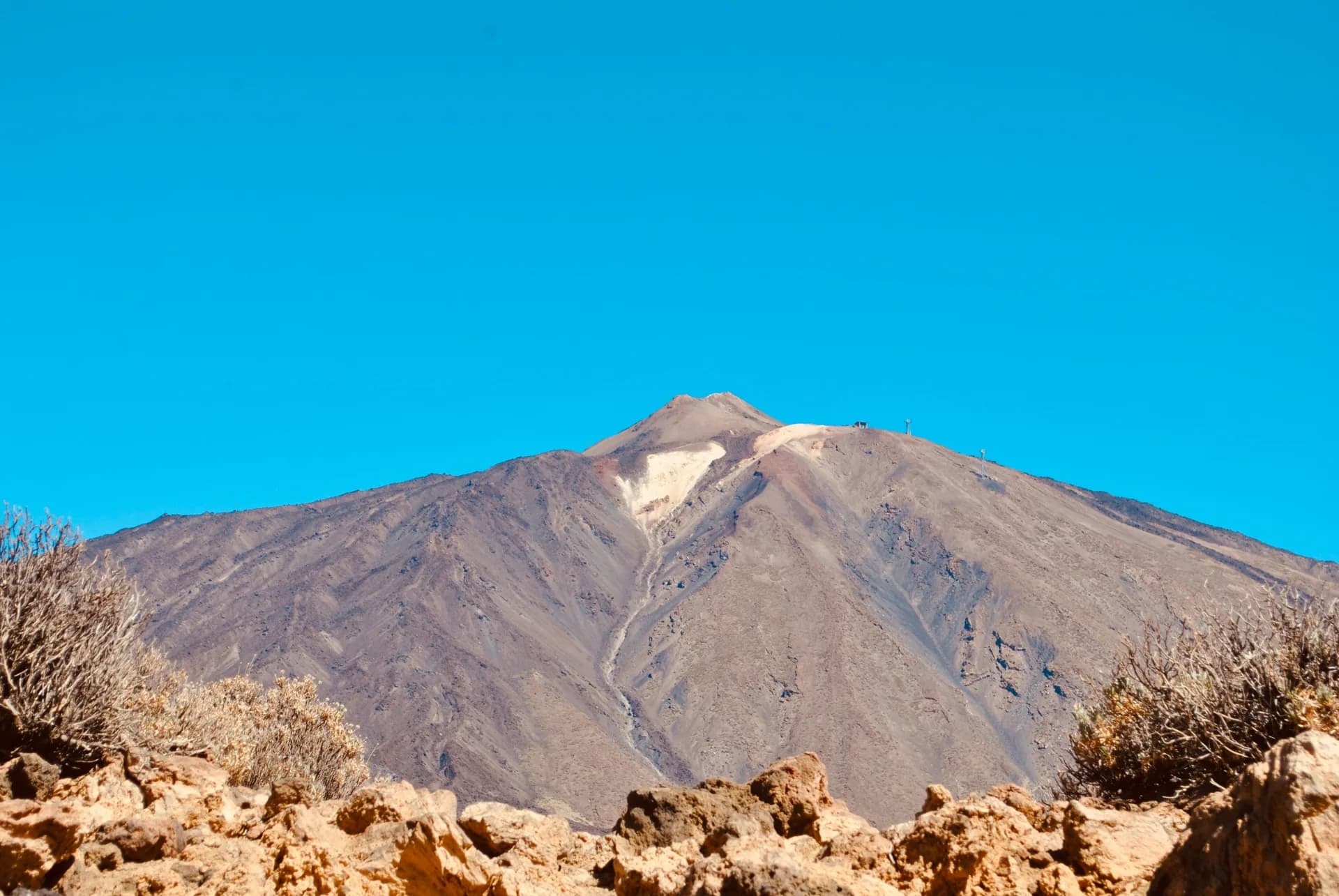
The finest hikes in Tenerife are concentrated on three very different massifs. At the centre, Teide National Park offers high-altitude trails in a lunar setting, up to the peak at 3,715 m — see our dedicated page on hiking Teide.
To the west, the Masca hike descends one of the most spectacular gorges in the Canaries down to the sea. To the north-east, hiking in Anaga plunges into a humid, misty laurel forest, listed by UNESCO.
To these three massifs are added countless coastal and rural trails, waymarked (PR-TF), that criss-cross the whole island for all levels.
Do you need a permit to hike in Tenerife?
For most trails, no. But two flagship routes are regulated. Climbing the Teide peak, via the Telesforo Bravo trail (from the cable car) or the Montaña Blanca trail (on foot from the TF-21), requires a permit booked on the official Tenerife ON platform.
New for 2026: visitors now pay an access fee on both summit trails (€15 on Telesforo Bravo and €6 to €10 on Montaña Blanca for those who don't live in the Canaries). The Masca gorge descent is also on paid booking. Book early and check the opening status, as trails can close in bad weather.
What level and when to go?
Tenerife offers trekking in Tenerife for every profile. Accessible family loops, like the Sendero de los Sentidos in Anaga or the Roques de García at the foot of Teide, sit alongside demanding multi-hour ascents.
Spring and autumn are ideal. In summer, the heat makes low- and mid-altitude trails gruelling, but Teide stays cool, even cold at night. In winter, snow can cover the summit. Always match the route to the day's weather.
Hiking with family or a guide
With children, favour the short, shaded trails of Anaga or the Roques de García loop, with no technical difficulty. For committing routes (the Teide peak, the Masca gorge), a local guide adds safety and logistics.
Many operators offer guided hikes, from Teide sunrise walks to Anaga crossings, often with transport included.
Kit and safety
The mountains demand respect, especially at altitude. Bring hiking boots, several layers (the summit is freezing), a windproof, plenty of water and strong sun protection: at 3,000 m the sun burns fast.
How to reach the trailheads?
Most trailheads are reached by car, often at the end of mountain roads. Car hire in Tenerife is the easiest way to reach Teide, Masca and Anaga at the time that suits you, ideally early in the morning.
To plan the rest of your trip, see our Tenerife guide.
Frequently asked questions
What are the best hikes in Tenerife?
Climbing the Teide peak, descending the Masca gorge and the laurel-forest trails of Anaga (such as the Sendero de los Sentidos) are among the must-dos.
Do you need a permit to hike in Tenerife?
For most trails, no. In Teide National Park you must book on Tenerife ON for the Telesforo Bravo summit trail (€15 for visitors from outside the Canaries), Montaña Blanca (€6 to €10) and, since the announcement of 14 October 2026, Pico Viejo, Los Regatones Negros and Chafarí (free). The Masca gorge descent is also booked, with a paid access fee.
When to hike in Tenerife?
Spring and autumn are ideal. Summer is hot at low altitude but Teide stays cool; in winter, snow can cover the summit. Always check the day's weather.
Can you hike with family in Tenerife?
Yes: the short Anaga trails (Sendero de los Sentidos) and the Roques de García loop, with no technical difficulty, suit families.
Do you need a guide for Teide or Masca?
Not compulsory, but a guide adds safety and logistics on committing routes like the Teide peak or the Masca gorge, often with transport included.
What kit for hiking in Tenerife?
Hiking boots, several layers (Teide is freezing), a windproof, plenty of water and strong sun protection, as altitude intensifies the sun.
How much does it cost to climb to the summit of Teide in 2026?
€15 for a visitor who doesn't live in the Canary Islands, via the Telesforo Bravo trail (PNT 10), booked on Tenerife ON; free for under-14s. The permit is separate from the cable car ticket.
What kit is compulsory on the Teide trails?
On the trails that require booking: long trousers and warm clothing, hiking boots, a charged phone, a survival blanket, water, a hat, gloves and a head torch. Staff can refuse entry without it.