Where to Eat in Tenerife: Specialities, Guachinches and Fine Tables
From the Michelin table to the family guachinche, the best restaurants in Tenerife cover every register. The largest of the Canaries blends authentic Canarian cooking — papas arrugadas, mojo, fresh fish — with one of Spain's most Michelin-starred dining scenes, concentrated in the south. We haven't dined here ourselves yet; this guide gathers verified, up-to-date information to help you know what to try, where to eat by region, and how to find the most authentic spots.
The essentials at a glance
- To try: papas arrugadas con mojo (red and green), fresh fish, limpets, ropa vieja and Canarian wines.
- Guachinches: family wineries in the north (Tacoronte, La Orotava…) serving homemade wine and Canarian dishes cheaply.
- Gourmet south: Costa Adeje and Adeje hold most of the island's Michelin-starred restaurants.
- Fish: the coastal villages (La Caleta, Los Abrigos, El Médano) are known for fresh fish.
Our approach: verified research, not first-hand experience (yet)
- We haven't dined in Tenerife ourselves yet. This guide is built from thorough research — local sources, food guides and up-to-date data — to help you plan your meals transparently.
- We'll enrich it with our own tried-and-tested addresses after our next visit. Until then, names, dishes and awards are indicative: check opening hours and availability before setting out.
What to eat in Tenerife: the Canarian specialities
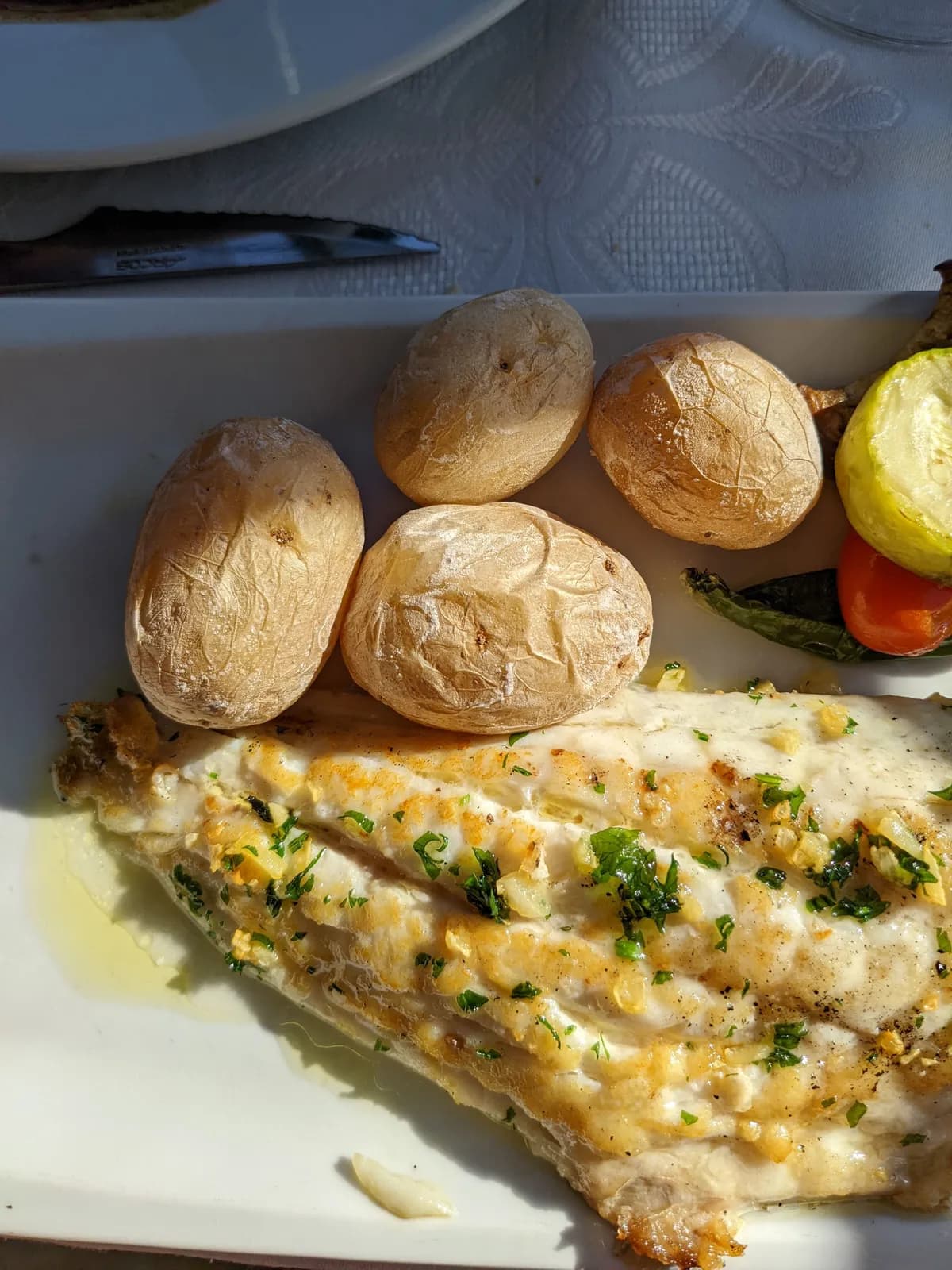
The star of the table is the papa arrugada: small potatoes boiled in heavily salted water until wrinkly, served with mojo. This comes as mojo rojo (red, spiced with chilli) and mojo verde (green, with coriander and garlic), the island's two signature sauces.
Fresh fish reigns: parrotfish, sea bass, sardines or tuna, often grilled, along with lapas (limpets) with mojo. For meat, try ropa vieja (chickpeas and shredded meat), rabbit in salmorejo or carne fiesta. Gofio, a toasted-cereal flour, accompanies many dishes.
The Canarian wines, grown on the volcanic slopes of the north (Tacoronte-Acentejo, Valle de la Orotava, Ycoden-Daute-Isora, Abona appellations), are worth seeking out, as are the local desserts: bienmesabe, frangollo or quesillo.
Where to eat in Tenerife: north or south?
Knowing where to eat in Tenerife often means choosing between two moods. The south, around Costa Adeje, concentrates the international tables and haute cuisine; the more authentic north is the land of guachinches and traditional cooking.
In the southern resorts, the choice is wide and cosmopolitan, from the beach restaurant to the Michelin table. See our dedicated page on restaurants in Costa Adeje, the island's true gourmet hub.
In the north, around Puerto de la Cruz and the La Orotava valley, dining is more local and cheaper, between fish restaurants and guachinches. See our page on restaurants in Puerto de la Cruz.
Guachinches, the most authentic experience
A local institution, the guachinches of Tenerife are small family eateries, often run by winemakers who serve their own wine alongside homemade Canarian dishes. Born in the 1960s to sell off the harvest wine, they embody conviviality and value for money.
The most authentic are in the north, in wine-growing areas such as Tacoronte, La Matanza, El Sauzal or the La Orotava valley. Expect a short, changing menu, a simple, warm atmosphere, and bring cash, as not all take cards.
The south's haute cuisine
Tenerife is also the fine-dining capital of the Canaries: the island holds most of the archipelago's starred restaurants, the majority in the south, around Costa Adeje and Adeje. In 2026 it counts several two-star tables in the Michelin Guide.
Among the references, El Rincón de Juan Carlos, in La Caleta, is often cited as the finest table in the Canaries. These addresses book up far ahead; always check the current guide and availability before planning a special dinner.
Fresh fish and coastal villages
For fish, head to the fishing villages. La Caleta, near Costa Adeje, Los Abrigos, in the south, or El Médano line up restaurants where the catch of the day is eaten facing the sea, often simply grilled and served with papas and mojo.
On the west coast, Los Gigantes and its marina also offer fine terraces. It's one of the most enjoyable ways to taste the island's cooking, between simplicity and freshness.
Practical tips
Book the fine-dining tables and popular guachinches, especially at weekends and in high season. Car hire in Tenerife is often needed to reach the northern guachinches, away from the resorts.
To choose your base by your dining plans, see our accommodation in Tenerife section too. And to plan the rest of the trip, our Tenerife guide.
Frequently asked questions
What should you eat in Tenerife?
Papas arrugadas con mojo (red and green), fresh grilled fish, limpets with mojo, ropa vieja and Canarian wines. For dessert: bienmesabe, frangollo or quesillo.
What is a guachinche?
A small family eatery, often run by a winemaker who serves their own wine with homemade Canarian dishes at low prices. The most authentic are in the north (Tacoronte, La Orotava…). Bring cash.
Where are Tenerife's starred restaurants?
Mostly in the south, around Costa Adeje and Adeje, which hold most of the Canaries' Michelin-starred restaurants. El Rincón de Juan Carlos, in La Caleta, is one of the references.
Where to eat good fish in Tenerife?
In coastal villages like La Caleta, Los Abrigos, El Médano or Los Gigantes, where the catch of the day is eaten facing the sea, often grilled with papas and mojo.
Do you need to book restaurants in Tenerife?
For fine-dining tables and popular guachinches, yes, especially at weekends and in high season. The northern guachinches are more easily reached by car.
Is eating out in Tenerife expensive?
It depends: guachinches and neighbourhood restaurants are very affordable, while the south's haute cuisine aims high. The island covers every budget.