The Best Beaches in Tenerife: Black Sand, Golden Sand and Coves
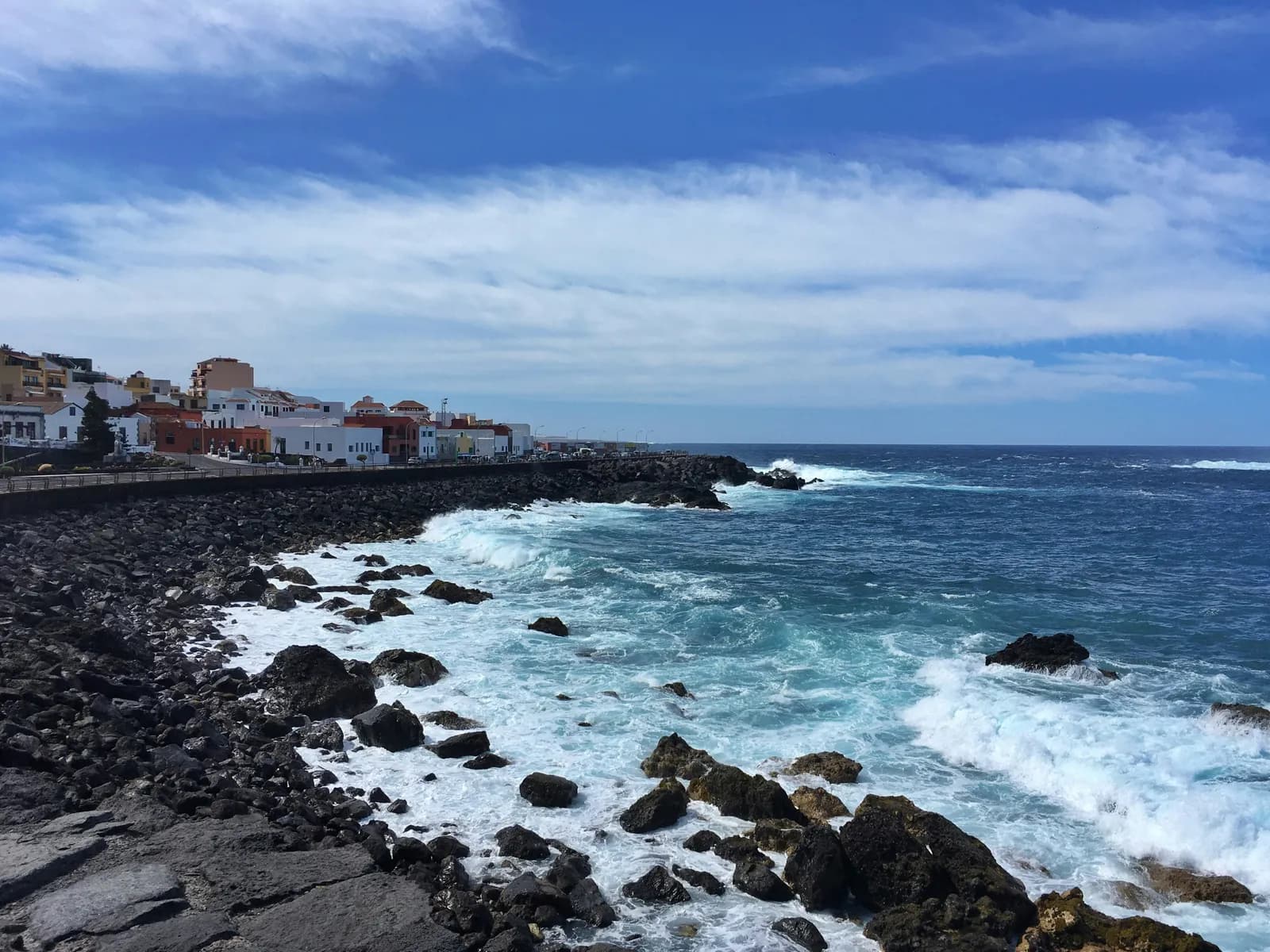
Choosing your beach on Tenerife often means choosing between two worlds: the wild black volcanic sand of the north and west, or the golden sand of the big southern resorts. The largest of the Canaries has beaches of every kind — family-friendly and sheltered, wind-swept surf spots, dramatic coves at the foot of cliffs. We're focusing here on the island's Tenerife beaches. We haven't visited ourselves yet; this guide gathers verified, up-to-date information to help you find the beach that suits you, south or north, sunbathing or adventure.
The essentials at a glance
- South (Costa Adeje, Las Américas): golden sand, calm water, landscaped and patrolled beaches, ideal for families.
- North and west: black volcanic sand, wild settings (Benijo, Los Gigantes), more dramatic but sometimes exposed to currents.
- Surf and wind: El Médano, the island's windsurfing and kitesurfing capital, in the south-east.
- Safety: respect the flags and patrolled zones; the wild northern beaches can have strong currents.
Our approach: verified research, not first-hand experience (yet)
- We haven't visited Tenerife ourselves yet. This guide is built from thorough research — official sources and up-to-date data — to help you plan your stay transparently.
- We'll enrich it with our own on-the-ground experience after our next visit. Until then, the details are indicative: in particular, check swimming conditions on site.
Black or golden sand: which beaches in Tenerife?
The first thing to know about Tenerife beaches is that there are two big families. As the island is volcanic, its natural beaches are mostly black sand, dramatic and wild. The big southern resorts, by contrast, offer golden sand, sometimes imported, in a landscaped setting.
For family sunbathing, head south: Costa Adeje and Playa de las Américas line up pale-sand beaches, calm and patrolled. For raw, photogenic scenery, head north and west, where black sand and cliffs dominate.
In short: the south for easy swimming and services, the north and west for nature and landscapes. Many travellers combine the two over their stay.
The finest beaches in the south
The south has the most developed and safest beaches for swimming — the best beaches in Tenerife for an easy dip. The most iconic is El Duque beach, in Costa Adeje: golden sand, calm water, a blue flag and a smart promenade.
All around, Costa Adeje and Playa de las Américas line up more family beaches of pale sand, well equipped with sunloungers, restaurants and water-sports clubs. It's the ideal area if you're staying in the south and want the beach close at hand.
The wild beaches of the north and west
For dramatic scenery, head to the black-sand beaches. In the north-east, in the Anaga massif, Benijo beach unrolls its volcanic sand facing sculpted rocks, superb at sunset.
To the west, Los Gigantes beach nestles at the foot of towering cliffs, in a unique setting. These beaches are magnificent but often more exposed: swim with care.
The natural pools of Garachico, an alternative to the beach
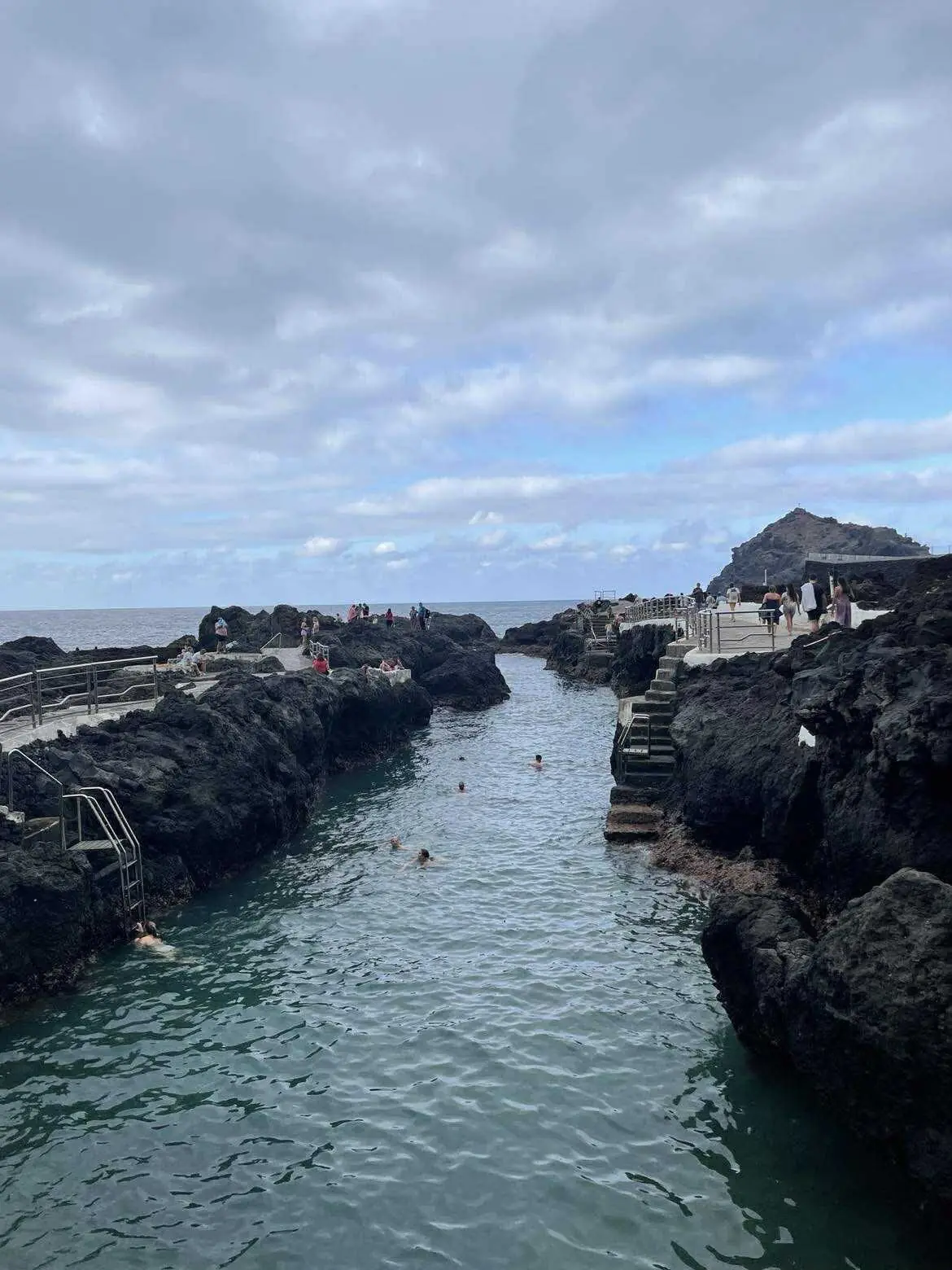
On the north-west coast, the village of Garachico offers an alternative to the more exposed black-sand beaches: its volcanic natural pools, known as El Caletón. Formed by a lava flow that covered the old harbour during the 1706 eruption, they now form sheltered pools carved directly into the rock, right in the heart of the village.
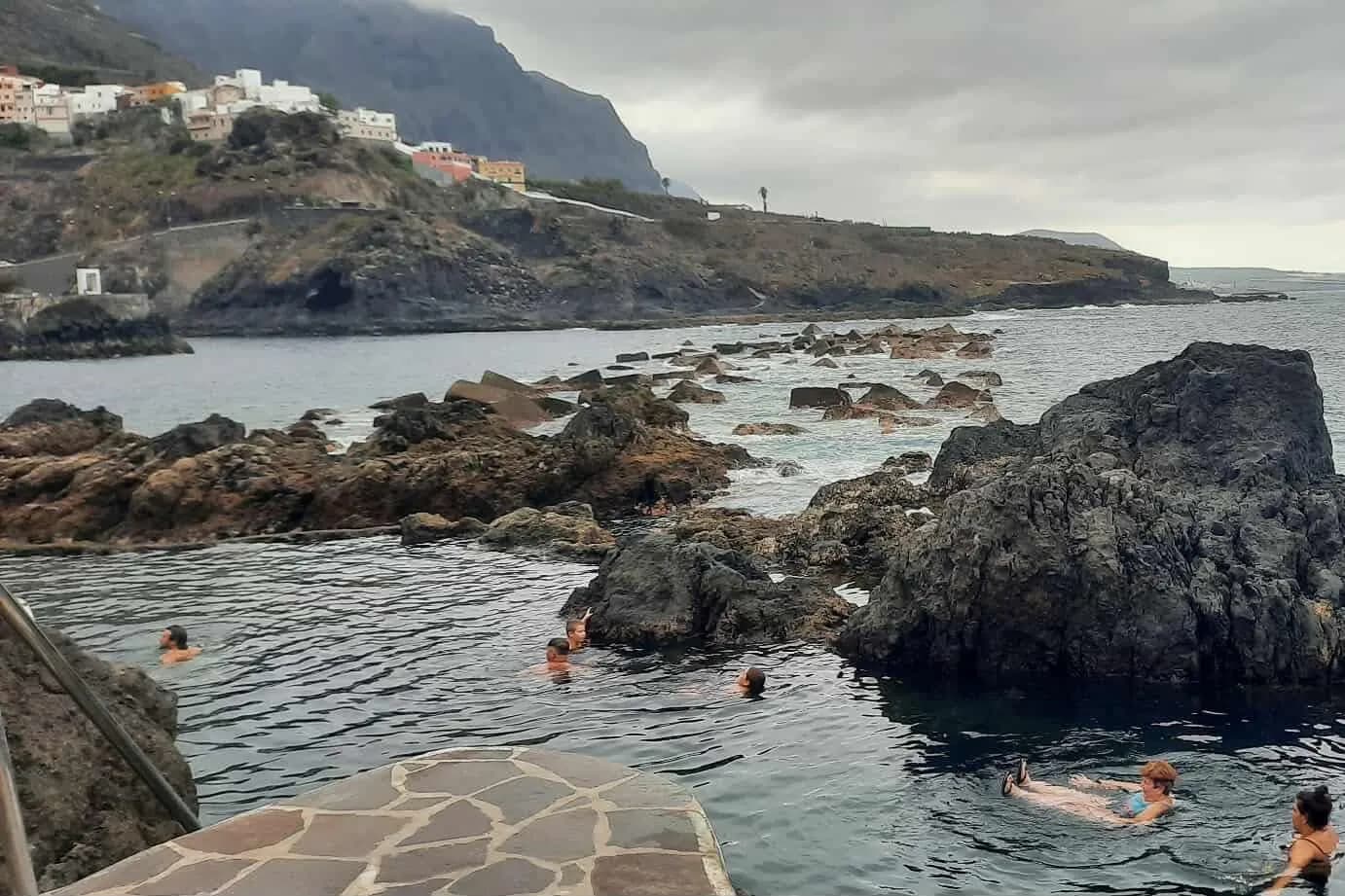
The water here is calmer than on the open beaches of the north, making it a good option with children or when the sea is rough. Access is on foot from the centre of Garachico, with ladders and paved areas to get into the water.
Beaches for surf, wind and families
Watersports fans, head south-east: El Médano beach is the island's windsurfing and kitesurfing capital, thanks to its near-constant wind. A lively spot, edged by a bohemian town.
For a beach that's both vast, golden and calm, Las Teresitas beach, near Santa Cruz, is a one-off in the north: imported sand, palm trees and sheltered water, hugely popular with families and locals.
Are there naturist beaches in Tenerife?
Yes. Tenerife has several beaches where naturism is tolerated or practised, often more isolated coves. The best known is Playa de la Tejita, in the south-east near El Médano, part of which (on the Montaña Roja side) is naturist.
These wilder beaches are also less supervised and sometimes exposed to currents: check conditions before you swim.
Swimming and safety: our tips
Safety comes first, especially on the wild beaches. Always respect the flags: green (swimming allowed), yellow (caution), red (no swimming), and favour patrolled beaches, particularly with children.
How to reach the beaches?
The southern beaches are walkable from the resorts, but the finest wild coves (Benijo, Anaga) need a car. Car hire in Tenerife is the best way to vary your beaches over the stay.
To plan the rest of your trip, see our Tenerife guide.
Frequently asked questions
What are the most beautiful beaches in Tenerife?
El Duque and the Costa Adeje beaches for golden sand, Benijo and Los Gigantes for dramatic black sand, Las Teresitas for a large calm beach in the north, and El Médano for surf and wind.
Are Tenerife's beaches black or golden sand?
Both. As the island is volcanic, most natural beaches are black sand; the southern resorts offer golden sand, sometimes imported, in a landscaped setting.
Which beach is best for families?
The southern beaches such as El Duque (Costa Adeje), calm, patrolled and well equipped, or Las Teresitas near Santa Cruz, large and sheltered.
Where to surf or kitesurf in Tenerife?
At El Médano, in the south-east, the windsurfing and kitesurfing capital thanks to its near-constant wind, with several schools.
Are there naturist beaches in Tenerife?
Yes, several, often isolated coves. The best known is Playa de la Tejita, near El Médano, part of which is naturist. These beaches are lightly supervised.
Is swimming dangerous in Tenerife?
The south is generally calm and patrolled. The wild beaches of the north and west can have strong currents: respect the flags and favour patrolled beaches.