Benijo Beach: The Wildest in Tenerife
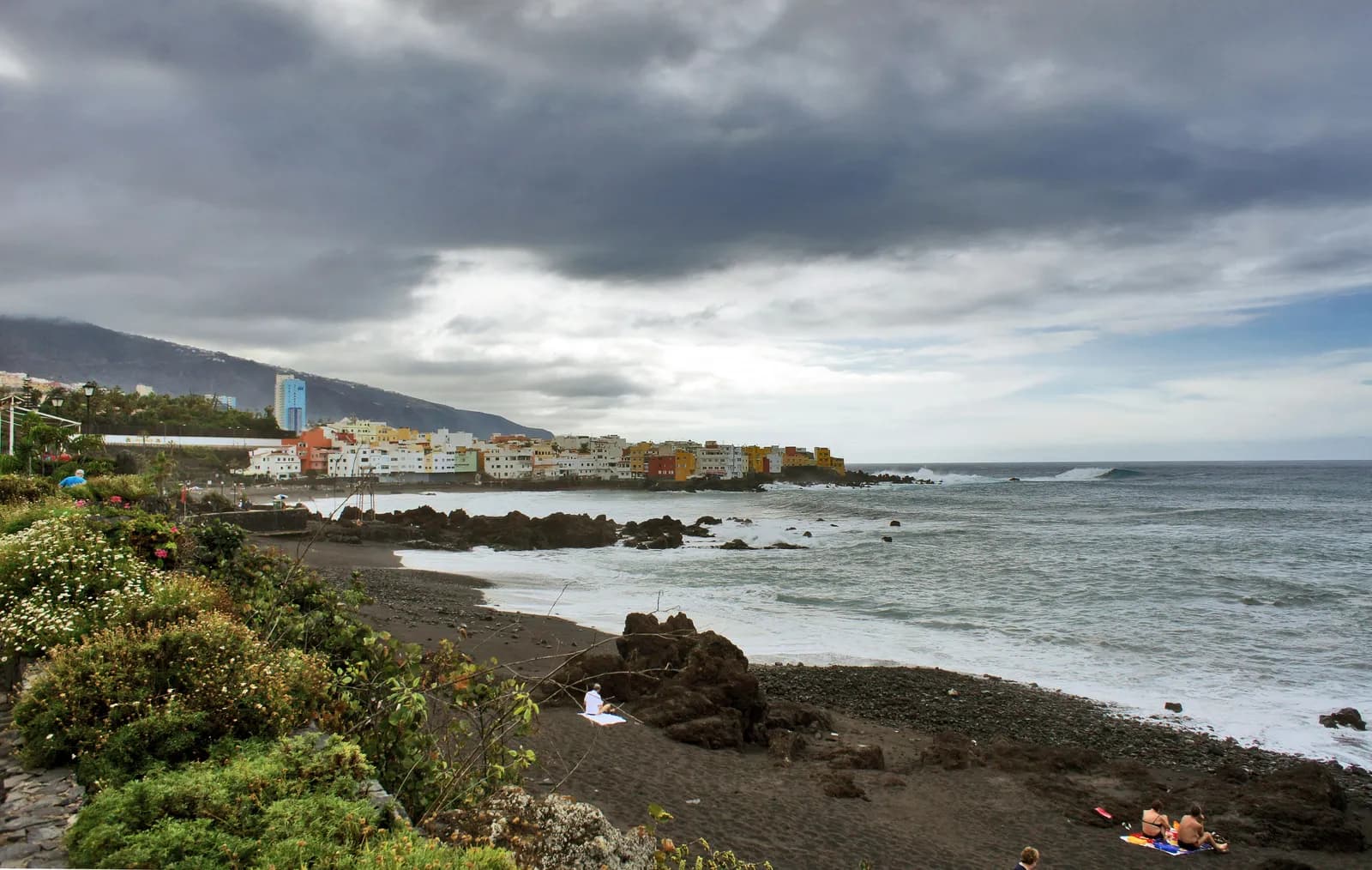
Tucked away at the end of the Anaga massif, in the north-east of the island, Benijo beach is one of the most spectacular in Tenerife: a long stretch of black volcanic sand facing sculpted rocks that rise from the ocean. Wild and photogenic, it's the haunt of surfers and sunset lovers. We haven't been ourselves yet; this guide gathers the essentials, verified and up to date, and complements our page on Tenerife beaches.
The essentials at a glance
- Where: at the end of the Anaga massif, in the north-east, beyond Taganana.
- Setting: black volcanic sand and dramatic rocks (the Roques), superb at sunset.
- Vibe: wild, few services; popular with surfers and photographers.
- Safety: possible currents and waves, little or no lifeguard cover — assess swimming with care.
Our approach: verified research, not first-hand experience (yet)
- We haven't visited Tenerife ourselves yet. This guide is built from thorough research — official sources and up-to-date data — to help you plan your stay transparently.
- We'll enrich it with our own on-the-ground experience after our next visit. Until then, the details are indicative: in particular, check swimming conditions on site.
Why visit Benijo beach?
Because Benijo beach offers one of the rawest, most cinematic settings in the Canaries. Its black sand, waves and volcanic rocks silhouetted against the horizon make it a spectacular spot, very different from the landscaped beaches in the south of the island.
It's also a well-known surf spot and, above all, famous for its sunsets, when the Roques glow against the ocean. A must for nature and photography lovers, to combine with a visit to the Anaga rural park.
How to get to Benijo?
Benijo is reached by car, at the end of the road that crosses Anaga via La Laguna and Taganana. The road is narrow and winding, and parking below the beach is limited: arrive early, especially at the end of the day for the sunset.
A few fish restaurants overlook the beach, but services on the sand are almost non-existent: bring water and essentials. The neighbouring beach of Roque de las Bodegas, a little more accessible, offers an alternative with more amenities.
Swimming and safety at Benijo
Benijo's beauty goes hand in hand with caution. Benijo beach is exposed to the open ocean, with waves and currents that can be strong, and it has little or no lifeguard cover.
When to go to Benijo?
Late afternoon is the magic moment, for the sunset behind the Roques. Avoid days of heavy swell, and check the Anaga weather, often cloudier than the south.
To plan the rest of your stay, head to our Canary Islands guide.
Frequently asked questions
Where is Benijo beach?
At the end of the Anaga massif, in north-eastern Tenerife, beyond the village of Taganana, at the end of a narrow mountain road.
Can you swim at Benijo?
With caution: the beach is exposed to the open ocean, with possible waves and currents, and little or no lifeguard cover. Assess the sea before swimming.
Why is Benijo's sand black?
Because Tenerife is a volcanic island: the sand of its natural beaches, like Benijo, comes from the erosion of volcanic rock.
When should you go to Benijo?
In the late afternoon for the sunset, spectacular behind the Roques. Avoid days of heavy swell and check the Anaga weather.
Are there services at Benijo?
Very few: a handful of fish restaurants overlook the beach, but nothing on the sand. Bring water and essentials. Neighbouring Roque de las Bodegas is better equipped.