Masca: The Perched Village and Its Spectacular Road
Clinging to the mountains of the Teno, in the west of the island, Masca is one of Tenerife's most spectacular villages: a handful of houses perched above a dizzying ravine, at the end of a famously winding road. Long known as the island's most isolated village, it draws visitors for its panoramas and its famous gorge hike. We haven't been ourselves yet; this guide gathers the essentials, verified and up to date, and complements our page on things to do in Tenerife.
The essentials at a glance
- Where: in the Teno massif, in the west of the island, between Santiago del Teide and Buenavista del Norte.
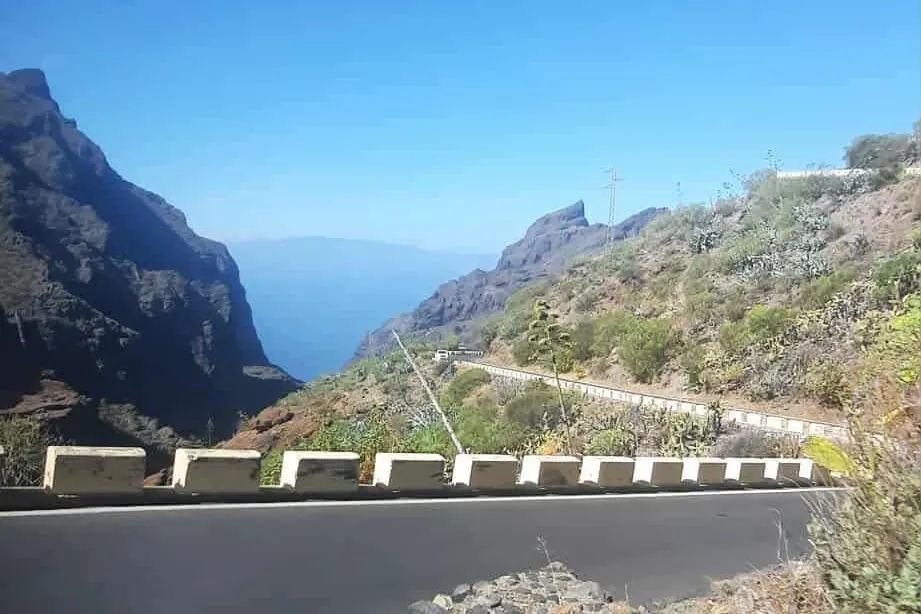
- Access: via the winding TF-436 road, narrow and twisty; parking is very limited in the village.
- To see: the perched village, the viewpoints and the plunging views over the gorge and the ocean.
- Gorge hike: now bookable and charged, with limited slots and mandatory mountain footwear.
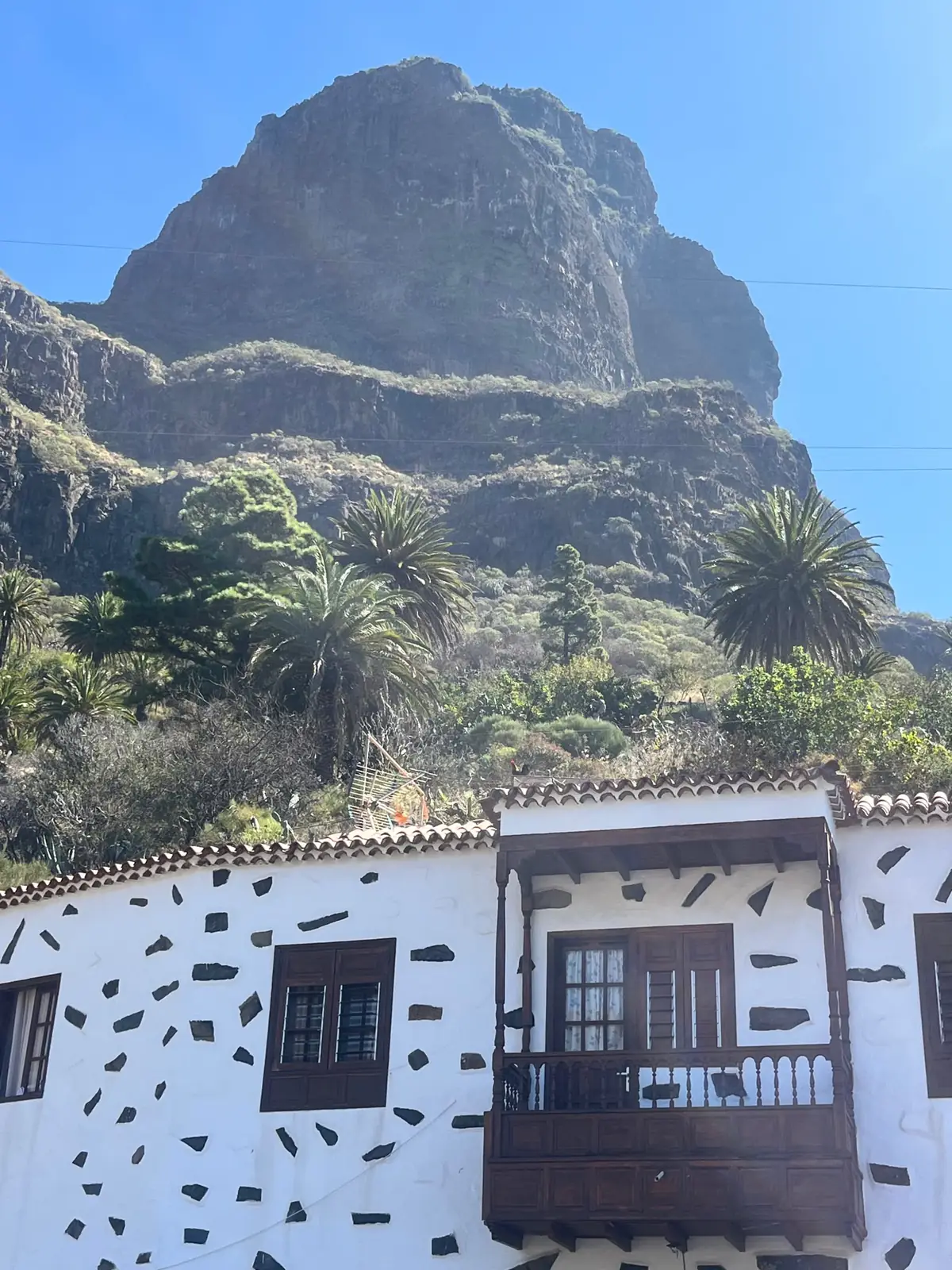
Photo shared by a family member
- This photo of Masca village was shared with us by M., my sister, who visited in October 2025.
Our approach: verified research, not first-hand experience (yet)
- We haven't visited Tenerife ourselves yet. This guide is built from thorough research — official sources, attraction websites and up-to-date data — to help you plan your trip transparently.
- We'll enrich it with our own on-the-ground experience after our next visit. Until then, the prices, hours and terms quoted are indicative: confirm them before you go.
How to get to Masca?
You reach Masca on the TF-436, a narrow, very winding mountain road from Santiago del Teide or Buenavista del Norte. The spectacular drive is part of the experience, but it demands care and gentle driving, with many hairpin bends.
Parking in the village is very limited and fills quickly by day: arrive early, or consider the bus. Car hire in Tenerife lets you combine Masca with the nearby Los Gigantes cliffs, but the road isn't suited to drivers uneasy in the mountains.
What to see in Masca village?
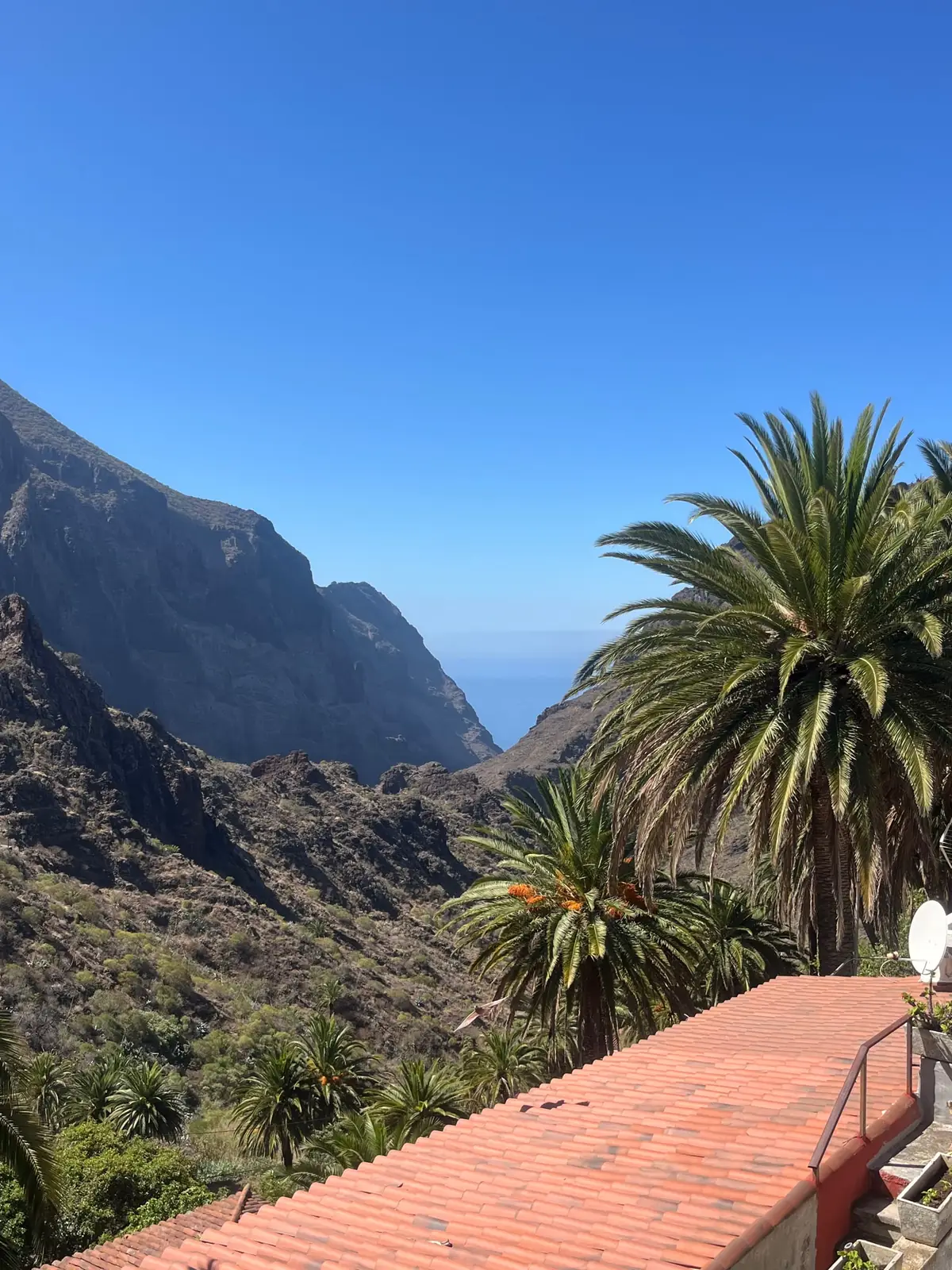
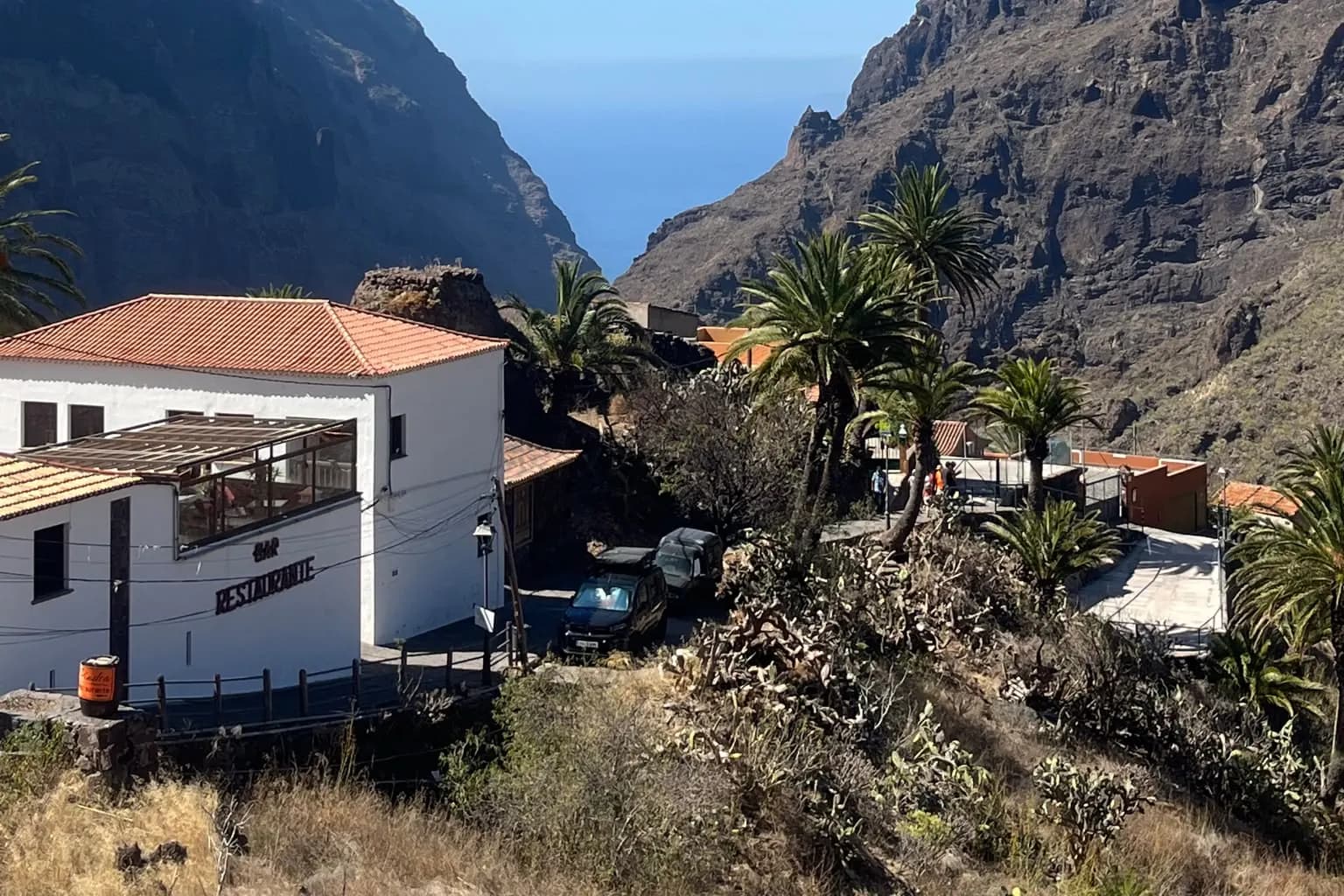
The village of Masca takes an hour or two on foot: cobbled lanes, traditional houses, a small church and, above all, breathtaking viewpoints over the ravine and the ocean. Several miradors line the access road and offer the best panoramas.
A few cafés and restaurants make for a pause facing the scenery. It's also the starting point of the famous Masca gorge hike, which descends the ravine down to the sea.
The Masca gorge hike
The descent of the Masca gorge, one of the Canaries' most famous hikes, leads from the village down to an isolated beach at the foot of the ravine. Spectacular, it is also demanding and strictly regulated since it reopened.
When to visit Masca?
Early morning offers the best light, fewer crowds and easier parking. Avoid the hottest hours for the hike, and bring water: the gorge is exposed and has no refreshment point.
To plan the rest of your stay, head to our Canary Islands guide.
Frequently asked questions
How do you get to Masca?
On the winding TF-436 mountain road from Santiago del Teide or Buenavista del Norte. Parking in the village is very limited: arrive early or take the bus.
Do you need to book the Masca gorge hike?
Yes: since it reopened, the gorge hike requires a paid online booking, with limited slots and mandatory mountain footwear.
Can you visit Masca without doing the hike?
Yes, the village and its viewpoints can be visited freely on foot, without booking. Only the gorge descent is regulated.
Is the Masca road difficult?
It's narrow, winding and full of hairpin bends. Drive slowly; it's not advised for drivers uneasy in the mountains.
How long should you allow for Masca?
One to two hours for the village and its viewpoints; a half-day to a full day if you do the gorge hike.