El Golfo and Los Hervideros: Lanzarote's green lagoon and lava cliffs
El Golfo, on Lanzarote's west coast, owes its fame to its emerald-green lagoon, the Charco de los Clicos, and the lava cliffs that drop straight into the Atlantic. A few minutes away, Los Hervideros puts on another kind of show: the sea forcing its way into volcanic cavities carved out by erosion.
In a nutshell
- Charco de los Clicos: an emerald-green lagoon born from a partially collapsed volcanic crater.
- No swimming: a protected natural site, its colour caused by micro-algae.
- Los Hervideros, a few kilometres away: a boardwalk along lava cliffs shaped by the waves.
- One of the island's best sunset viewpoints.
Charco de los Clicos: El Golfo's green lagoon
The Charco de los Clicos, El Golfo's green lagoon, owes its colour to micro-algae (Ruppia maritima) that thrive in this brackish water, formed when the sea broke into part of the crater of a partially collapsed volcanic cone. The contrast between the intense green water, the black volcanic sand and the ochre cliff enclosing it makes this one of Lanzarote's most photographed landscapes.
Swimming isn't allowed: the site, a protected Natural Monument, is safeguarded to preserve this fragile ecological balance. Access is via a signposted path from the car park in the village of El Golfo, a few minutes' walk away.
Los Hervideros: where the sea sculpts the lava
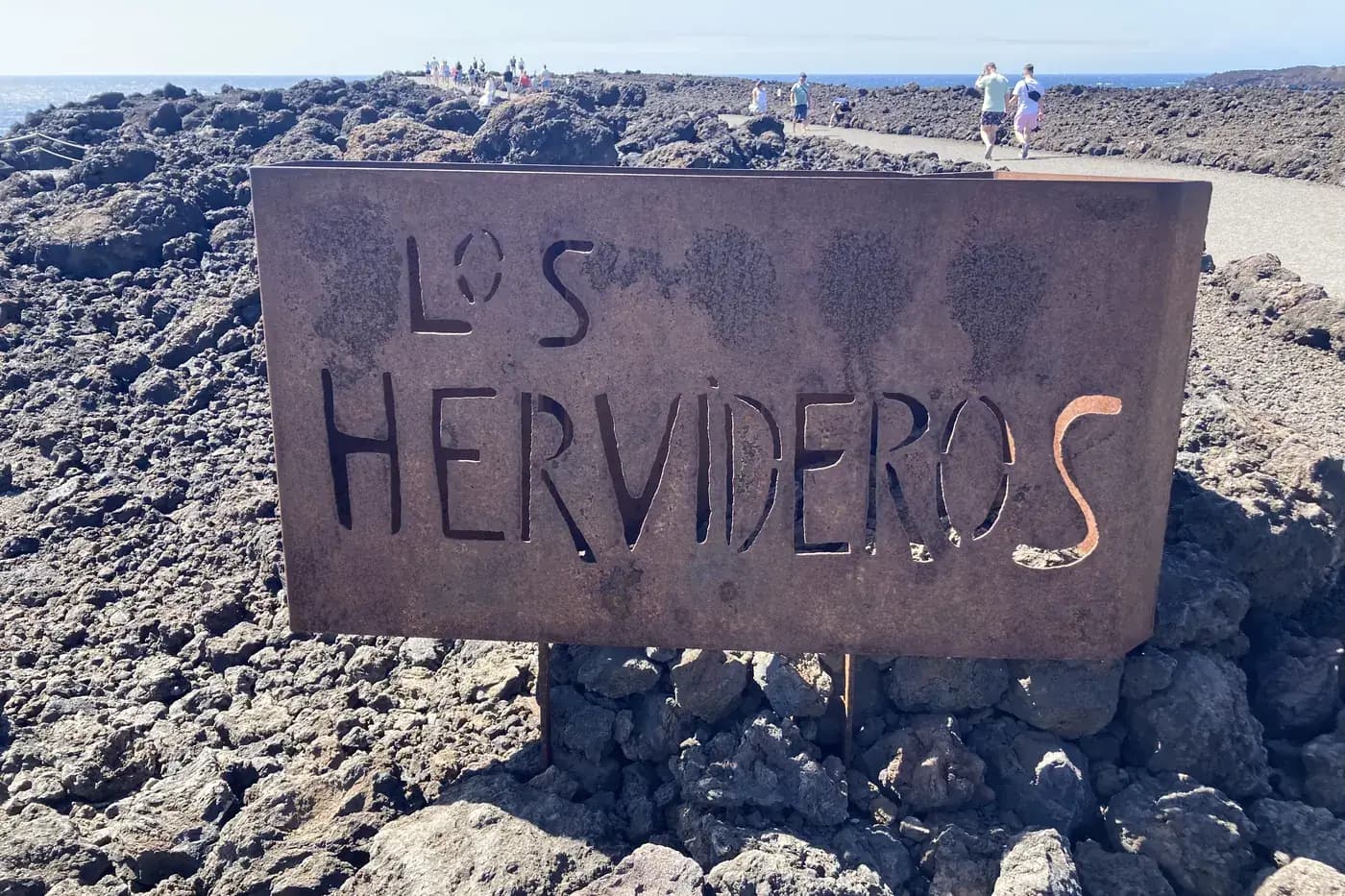
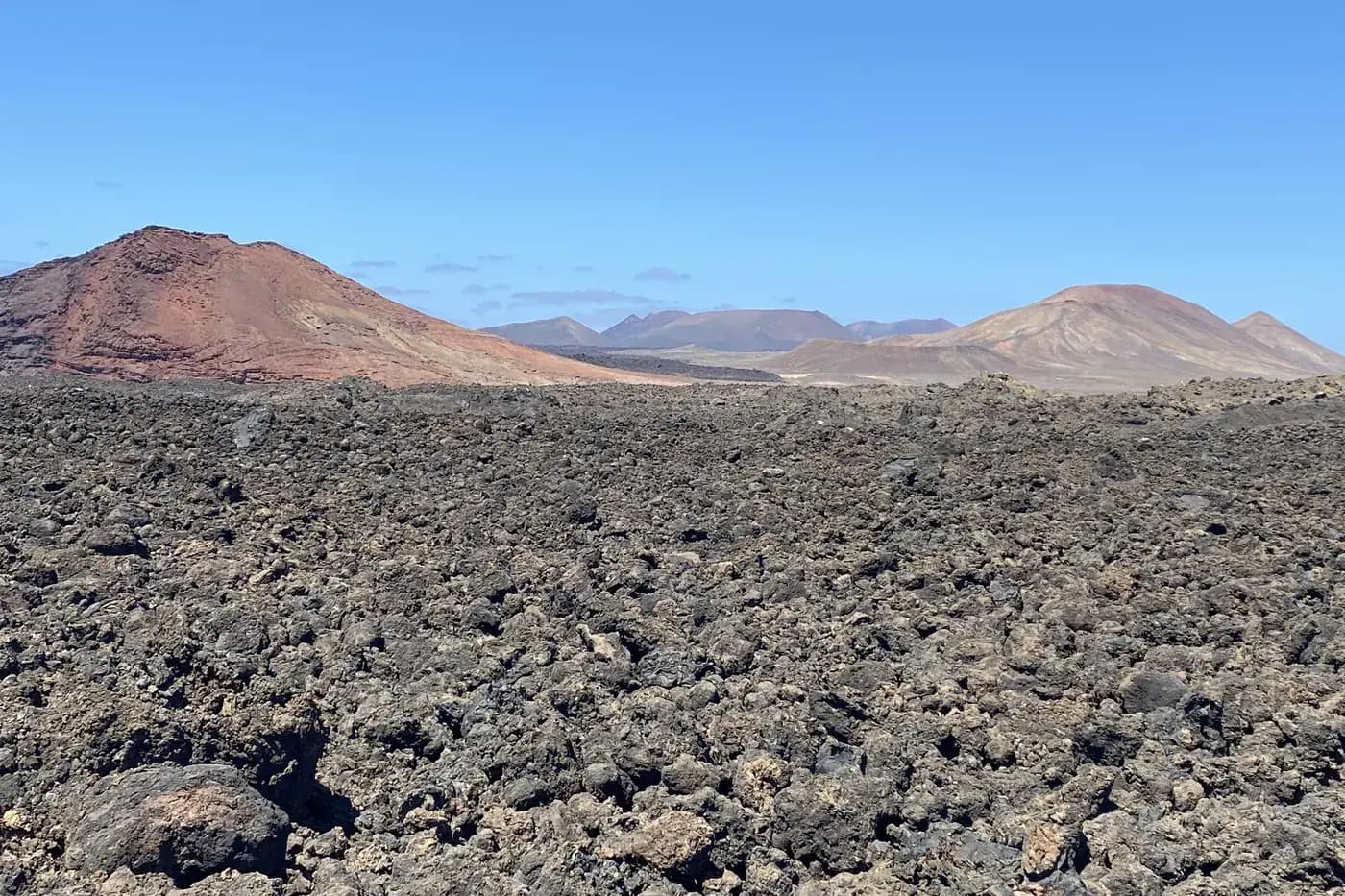
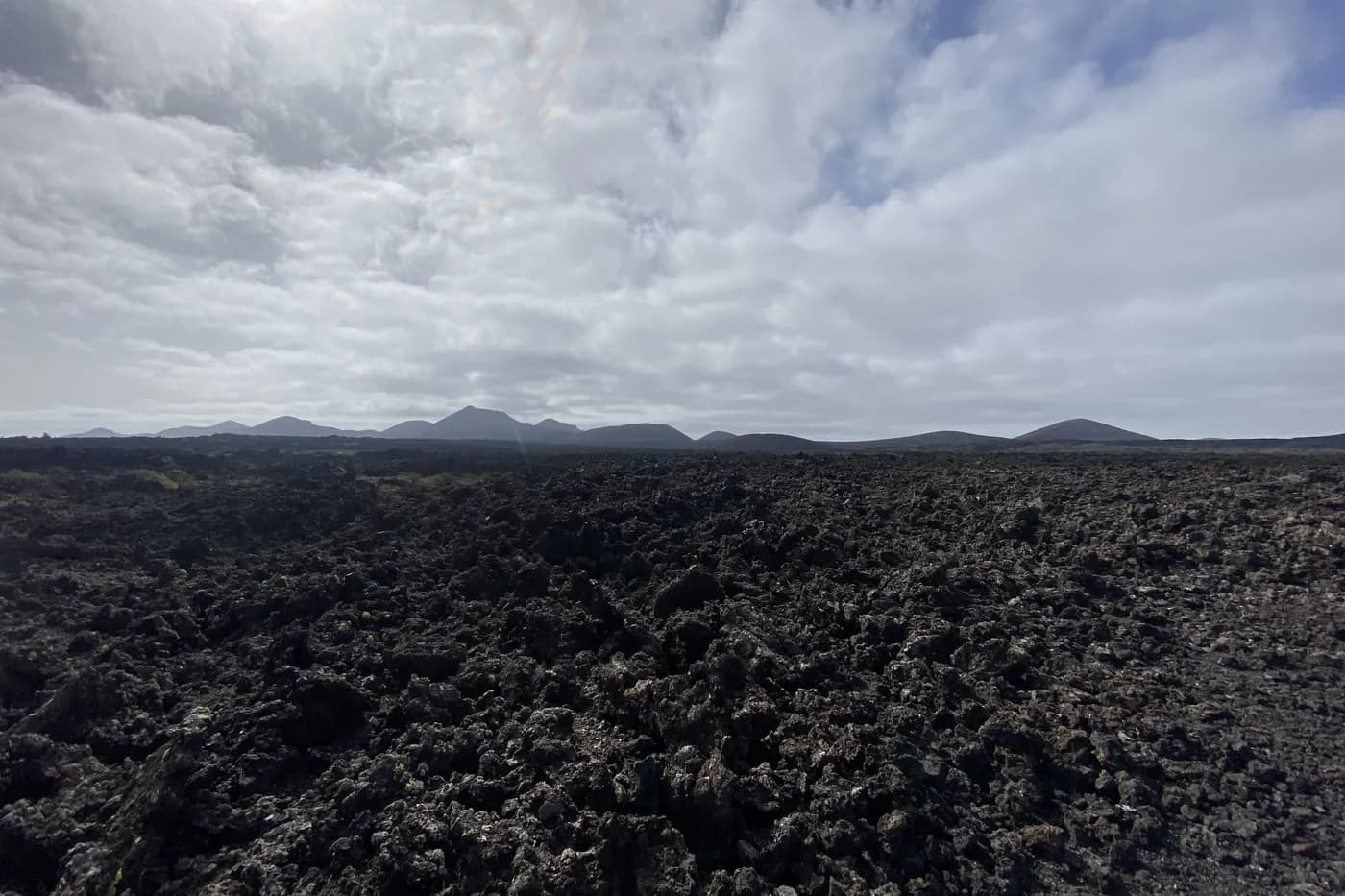
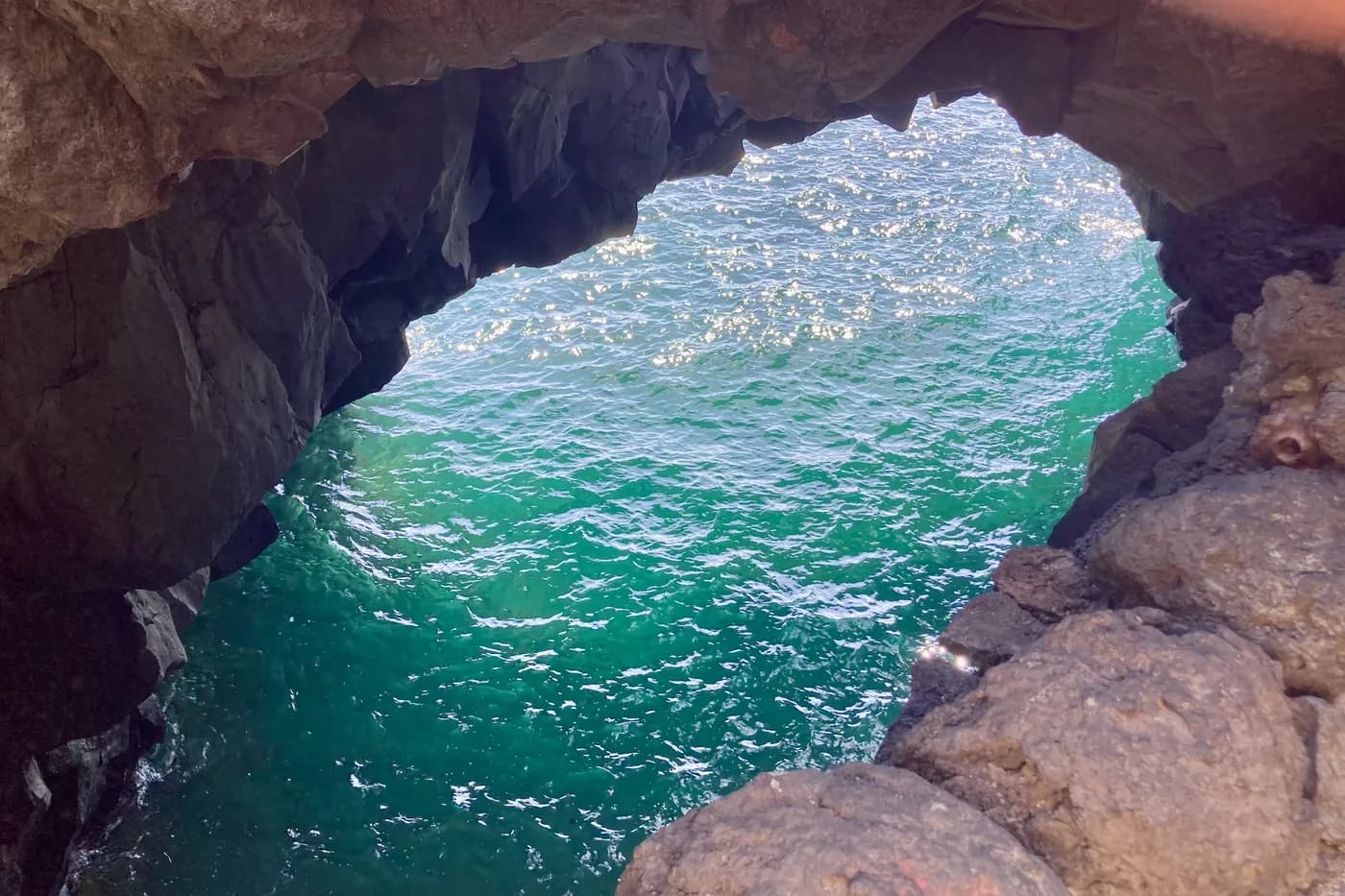
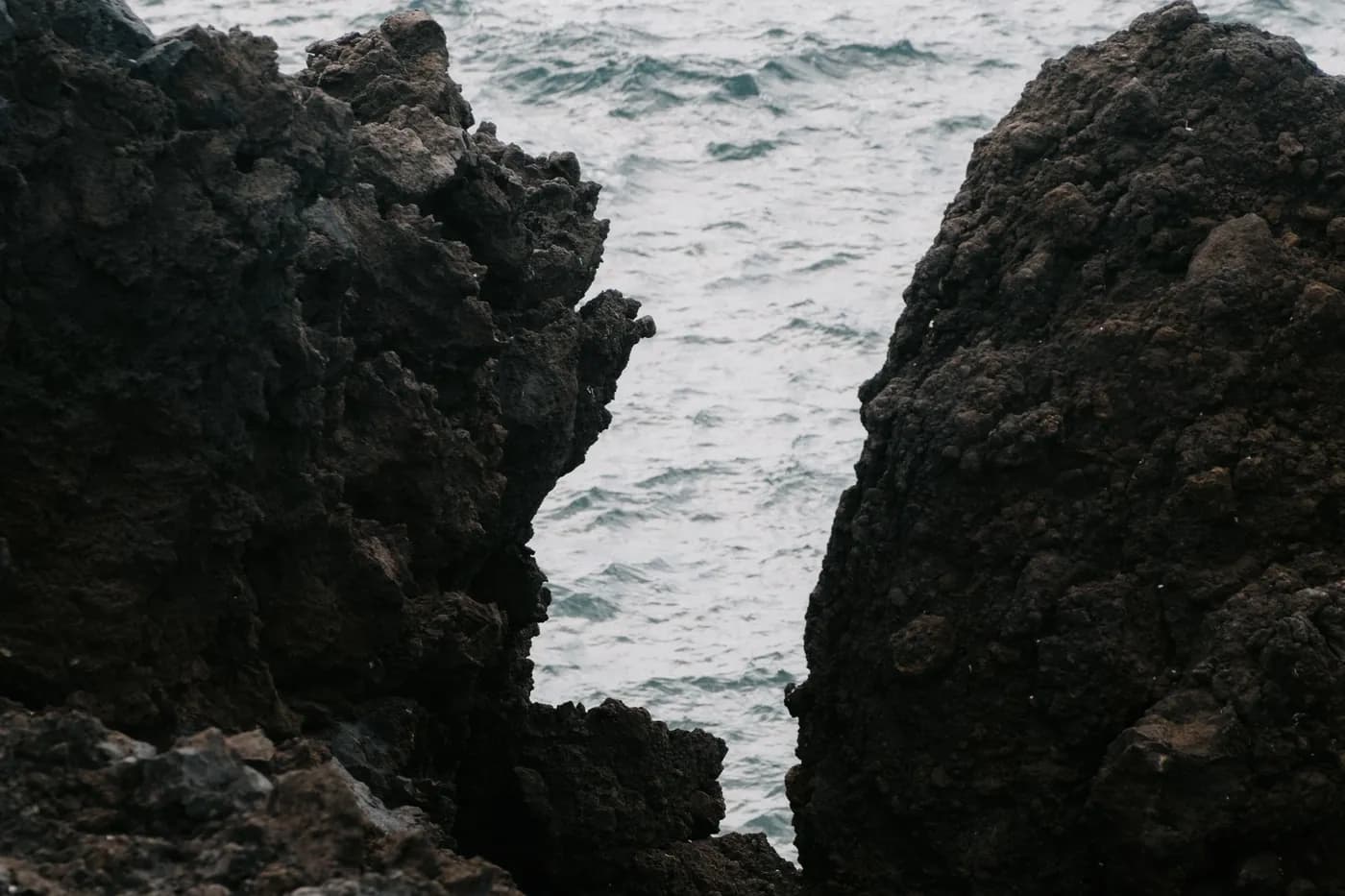
A few kilometres south, Los Hervideros takes its name from the “boiling” effect created as waves force their way into a network of cavities and tunnels carved into the lava cliff. A boardwalk, fitted with safety railings, runs along the cliff for several hundred metres and offers several viewpoints looking straight down onto the spray, particularly striking when the sea is rough.
El Golfo, the fishing village
El Golfo remains a small fishing village, with a handful of restaurants known for their seafood — see our guide to eating out on Lanzarote for addresses. The village also makes a good spot to watch the sunset, with the low light bringing out the colours of the lagoon and the cliff.
Practical tips for visiting
To go further, explore our Lanzarote guide or head back to the Canary Islands guide to compare the islands.
Frequently asked questions
Can you swim in the Charco de los Clicos?
No, swimming is banned: the site is a protected Natural Monument, safeguarded to preserve its fragile ecological balance.
Why is the El Golfo lagoon green?
Its emerald-green colour comes from micro-algae (Ruppia maritima) thriving in this brackish water, formed when the sea broke into part of a collapsed volcanic cone.
What is Los Hervideros?
A site where waves force their way into volcanic cavities carved into the lava cliff, creating a boiling effect; a boardwalk runs along the cliff.
How much time should you allow for El Golfo and Los Hervideros?
Around an hour to an hour and a half for both sites, including photo stops.
What's the best time to visit El Golfo?
Late afternoon, for the low light on the lagoon and the cliff, and to catch the sunset.